Can I Buy Car Insurance and Use It Immediately
Yes, a new policy can take effect the same day you buy it, which matters when you're splitting off from a shared policy.
Free to compare
Coverage can start immediately because insurers price it that way
Car insurance isn't like a gym membership with a waiting period. When you buy a policy, you choose the effective date and time, and insurers are set up to make that moment now if you need it. This exists precisely for situations like yours, where a shared policy is ending and someone needs to be covered without a gap.
Underneath this is a simple fact: insurers don't need days to evaluate you. They pull your driving record, your vehicle details, and your location almost instantly, and price the policy on the spot. There's no manual review standing between you and coverage, so the only delay is how long it takes you to fill out the application.
Where this gets more complicated is the vehicle itself. If you're buying coverage for a car that's still titled in both names, or titled in your ex's name, some insurers will ask questions about ownership or require the title to match the policyholder before binding coverage. This varies by insurer, so check with whoever you're applying with before assuming it's automatic.
The other variable is your state. A few states have rules about how policies can be backdated or how cancellations and new policies overlap, so if you're trying to time the end of the joint policy with the start of your own, ask the new insurer how they handle that transition in your state.

Splitting a joint policy without a lapse
Say you and your spouse have shared one policy for twelve years, two cars, two names, one bill. You're keeping the sedan, he's keeping the truck, and the separation agreement says you're each responsible for your own insurance going forward. You don't want a gap, and you don't want him driving a car that's still tied to your name.
You get a quote for your own policy on the sedan first, using your license and your driving history, and you set the effective date for the morning after the joint policy's last paid day. You confirm with the current insurer when exactly he's removing himself or ending the policy, so the two dates line up instead of overlapping or leaving a hole. Once your new policy is active, you call the title office to see what's needed to get the sedan solely in your name, since the insurer asked for that within a reasonable time. The result is your own policy, active immediately, with no lapse reported and no shared history following you forward.

Now that you know your coverage can start the moment you need it, compare quotes for your own policy today.

Starting your own policy now versus waiting until the divorce is final
If you do
You get continuous coverage in your name, with no lapse to explain later. You control the vehicle, the discounts, and the driving record going forward. If a teen driver is involved, you can add them under your own policy right away instead of leaving their coverage uncertain while the legal process drags on.
If you don't
You risk a lapse if the joint policy ends or your ex removes himself before you've arranged your own coverage. A lapse can mean higher rates later and a period where your car isn't actually insured. It also leaves your ex technically able to drive a car you consider yours, if he's still listed.
What to sort out before you buy your own policy
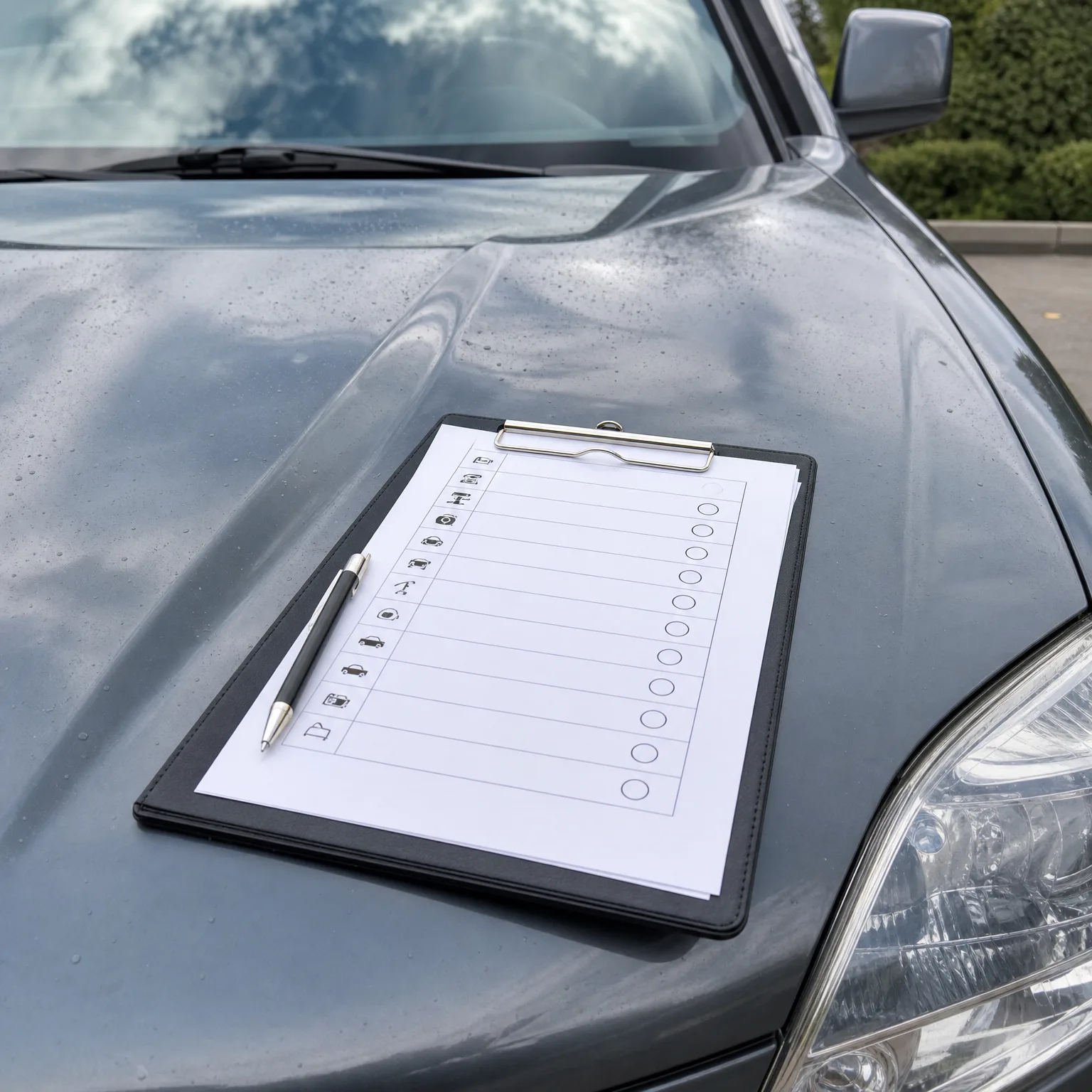
- Who's the named insured now Find out who's listed as the primary policyholder on the current policy. That person controls changes, so if it's not you, you'll need your own policy regardless.
- Which car you're keeping Match the vehicle to the person keeping it before buying coverage. Insurers may ask for the title to reflect that, so start that paperwork early.
- Your driving history Ask the current insurer for your driving and claims history tied to the joint policy. A new insurer will want this to price your policy accurately.
- Discounts you might lose Some discounts depend on multiple cars or drivers on one policy. Ask your new insurer what you qualify for alone, since it may differ from what you had.
- Timing with the agreement If a legal agreement specifies who insures what and when, align your policy's start date with that language. This avoids disputes later about who was responsible.
What happens to our old policy and its history once we split it up?
The joint policy itself ends or gets reduced once one of you leaves it, depending on how your insurer handles removals. The driving history and claims record tied to that policy follow each driver individually, not the policy as a whole, so your own record moves with you to your new policy.
What can get complicated is shared claims or violations that happened while the policy was joint. If a claim was filed under both names, a new insurer may ask about it regardless of who was driving. Ask the current insurer for a letter or report documenting each driver's individual history, since that's often what a new insurer wants to see before finalizing your rate.