
Car Insurance After Divorce
You shared one policy for years, and now you need to split it cleanly, without a lapse, a discount loss, or an ex still driving your car.
Free to compare
Your policy was built around two people, and that's no longer true
A joint car insurance policy usually has one named insured and one or more listed drivers, and it's tied to the cars, the addresses, and the discounts you both qualified for together. When a marriage ends, all of that has to be rebuilt, even if neither of you has done anything wrong yet.
Who keeps which car and whose name is on each title matters more than people expect, because insurance follows ownership and address, not just who's been paying. If a separation agreement says one person keeps a car, the policy and title need to catch up to that, or you're both exposed in ways that are hard to untangle later.
This matters now because the in-between period is the riskiest part. Someone is still driving on a shared policy, a teenager's coverage may depend on which parent's address and policy they're listed under, and nobody wants a gap in coverage showing up later when you need to buy a new policy.
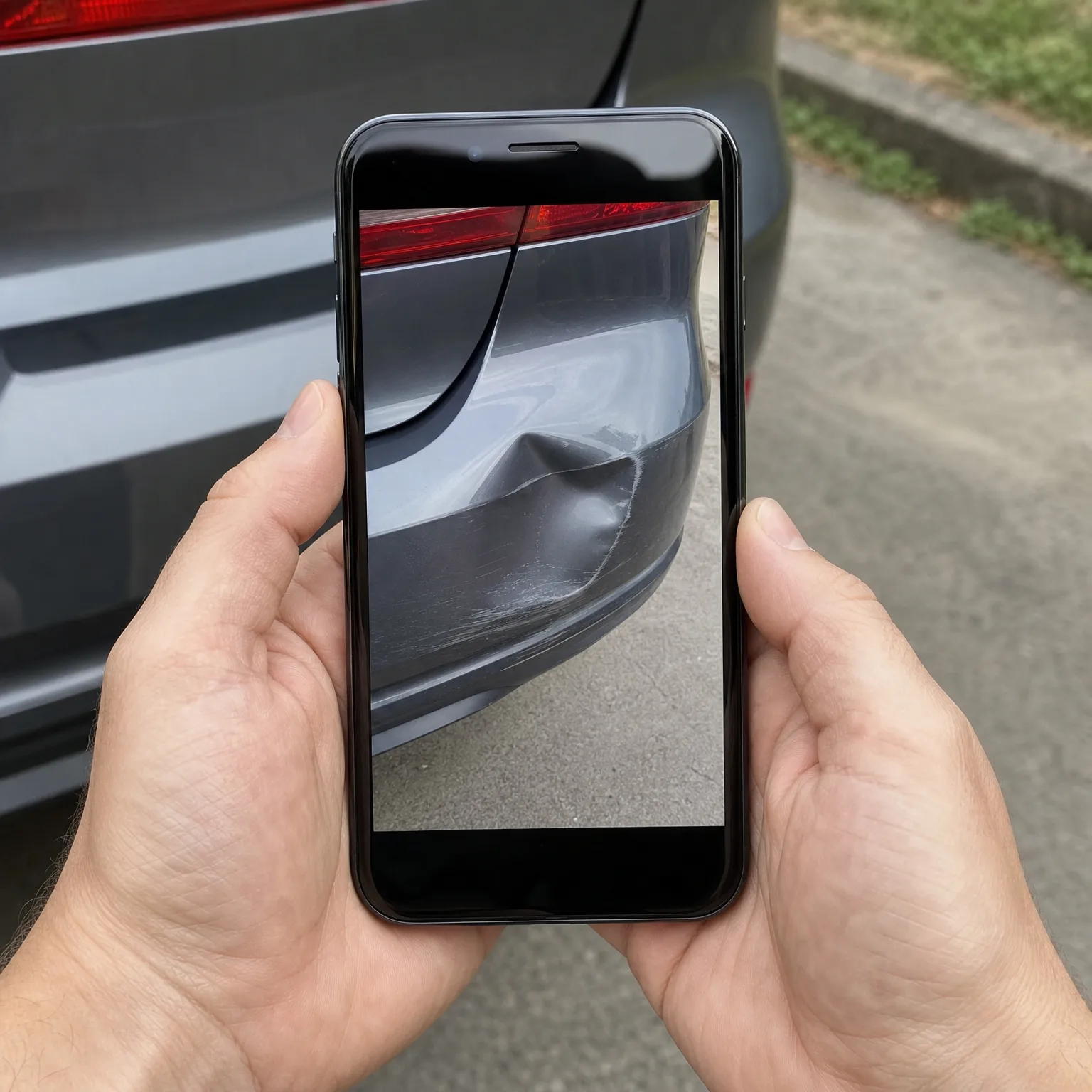
What you'll pay depends on your record, your car, and your household, not your marriage
Insurers price a policy based on who's driving, what they drive, where they live, and their own driving history. Once you're on separate policies, your rate reflects you alone, which can mean losing a multi-car or multi-driver discount you had as a couple, even if your own driving record hasn't changed at all.
You can influence some of this directly. Keeping continuous coverage with no lapse protects your rate far more than almost anything else. So does choosing coverage limits deliberately instead of defaulting to whatever the joint policy had, and shopping your own quote rather than assuming your half of the old premium is what you'll now pay alone.
What you can't influence as much is the base rate insurers assign for your state, your age, and your car itself. That's a fixed starting point. Your job is to make sure everything you can control is working in your favor once you're pricing your own policy.
The gap and the guesswork are where people lose money
The most common costly mistake is letting coverage lapse between leaving the joint policy and starting your own. Even a short lapse can raise what insurers charge you for years, so the move to make is lining up your new policy to start the moment you're off the old one, not after.
The second is staying listed on a policy for a car you no longer drive, or leaving an ex on yours. Either one means you're paying for someone else's risk, or they're relying on coverage that could disappear without warning. Check who's named and who's listed, not just whose name is on the bill.
The third is assuming your old discounts carry over. They usually don't automatically, and the only way to know what you actually qualify for now is to ask directly and compare what's out there, rather than renewing the same policy out of habit.
Once you know who's on your policy and what you need, compare quotes to see what your own coverage should actually cost.
Articles
 Avoiding a Gap in Coverage During Separation
 Divorce Agreements and Car Insurance
 Insuring a Car Still in Both Names