Insuring a Car Still in Both Names
Yes, you can insure a car still titled in both names, as long as you have an insurable interest in it.
One couple, one car, two policies
Maria and Dan separated but hadn't sold the house or the second car yet. The sedan was titled in both names, and Dan had moved out but still used it twice a week to see the kids. Maria wanted her own policy started before their joint one lapsed, so she called her insurer first and asked what they needed. They told her she could insure the car as the primary driver even with Dan's name still on the title, since she had an insurable interest in it and lived with it full time.
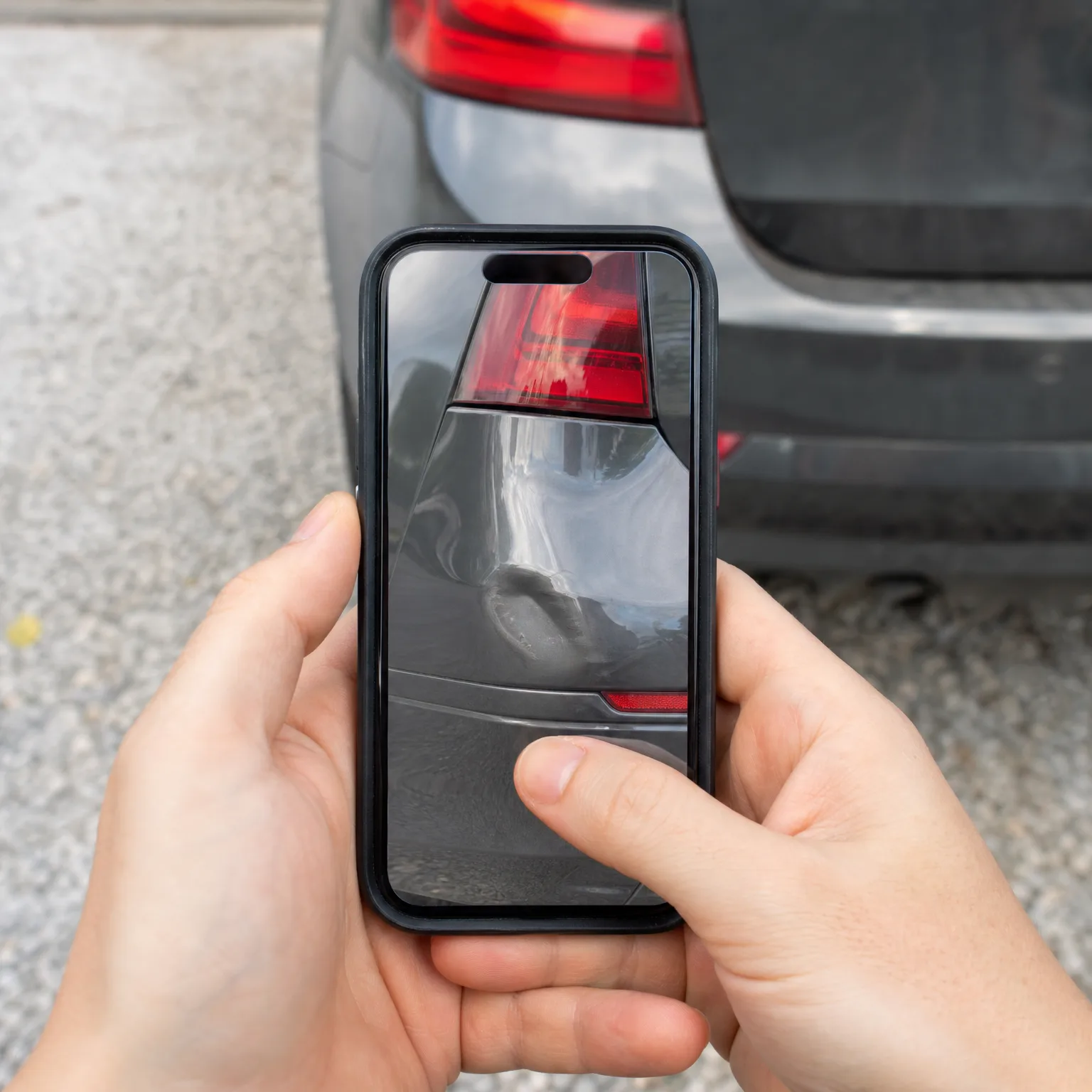
She listed Dan as an occasional driver on her new policy for the months he'd still be using it, which kept her honest with the insurer and avoided a denied claim if something happened while he had it. Once they sold the car a few months later, she dropped him from the policy and retitled the proceeds split between them. It cost her a short conversation with her agent up front, but it meant no gap in coverage and no surprise when she filed a small claim after a parking lot dent.

The short version
You can insure a car titled in both names as long as you have an insurable interest in it, usually by owning, driving, or keeping it at your address. List your ex as a driver if they'll still use the car. Call your insurer before the joint policy ends so there's no gap.
What happens to the title if we're not insuring the car together anymore?
The title and the insurance policy are separate things, so splitting the insurance doesn't change whose name is on the title. If the car is titled in both names, it usually stays that way until one of you signs it over to the other or you sell it and split the proceeds. Some states make this simple with a form at the DMV, others want a bill of sale or a notarized release.
Until the title changes, the person not driving the car still technically owns part of it, which can matter if it's in an accident or gets sold. It's worth settling the title around the same time you settle insurance, so you're not stuck half-owning a car you never see.
Once you know who's keeping the car and who's insuring it, compare quotes to see what your own policy should cost.
What actually determines if you can insure it
- Insurable interest You need a real stake in the car, like owning it, driving it regularly, or keeping it at your home. Ask your insurer directly if your situation counts before you assume it does or doesn't.
- Who's listed as a driver If your ex still drives the car sometimes, list them as an occasional driver rather than leaving them off entirely. Leaving a regular driver off the policy can get a claim denied later.
- State title rules Some states require the title to match the policyholder, others don't. Check with your state's DMV or your insurer's underwriting rules before assuming either way.
- Timing the switch Start your own policy before the joint one ends, even for a short overlap. A lapse of even a few days can follow you and raise what you pay later.
- Discounts tied to the old policy Multi-car and bundling discounts usually disappear once you split the policy. Ask your insurer what you qualify for on your own before you assume your rate will look the same.
The title doesn't decide who can insure the car. Your actual use of it does.
Can my ex be removed from my car insurance without my permission?
No, removing someone from a policy usually takes the policyholder's request, not the other driver's. If your ex is the named policyholder and won't remove you, you may need to start a new policy in your own name instead of waiting for them to act. Check with the insurer directly, since some allow either party to request changes if both are listed as co-insureds, while others only let the primary policyholder make changes.
Do I need my ex's permission to insure a car we both own?
Generally no, you don't need their permission to buy insurance, but you do need an insurable interest in the car. If you both own it and you're the one driving it, you can typically insure it on your own policy. What can get complicated is if your ex also wants to insure it elsewhere at the same time, so it's worth talking to them about who's covering it to avoid double coverage or gaps.
What happens if my ex gets in an accident in a car I'm still insuring?
Your policy will likely respond first if the car is listed on it and your ex was a permitted driver. This is exactly why it matters to list every regular driver, even an ex, rather than leave them off to save money. If they weren't listed and weren't supposed to be driving it, the insurer may investigate before paying a claim, and your rates could still be affected either way.