Can I Let Other People Drive My Car
In most cases yes, because your car insurance follows the car, not just you, as long as the driver has your permission.
Your policy covers the car first and the driver second
Car insurance is built around the vehicle. When you insure a car, that policy is the primary coverage for anyone you allow to drive it, not just for you. This is sometimes called permissive use, and it's the reason a friend borrowing your car for an afternoon is usually covered without you adding them to anything.
Permission is the key word, and it doesn't have to be written down. Telling someone "sure, take it" counts. But permission can be narrow or broad, and insurers look at whether the use matched what you allowed. Someone you lent the car to for a grocery run who instead takes it on a weekend trip may fall into a gray area, and that's where claims can get complicated.
Where this changes is with regular use. If someone drives your car often, insurers expect you to list them on the policy, not rely on permissive use every time. An ex, a roommate, or an adult child who drives your car regularly is a different situation than a one-time favor, and treating frequent use as occasional can cause real problems if there's ever a claim.
State rules and insurer rules both matter here, including how household members are treated and whether an unlisted frequent driver can reduce or deny a claim. Check your policy's language on permissive use and ask your insurer directly if someone's use crosses into "should be listed." That answer isn't the same everywhere, so don't assume your last policy's rules carry over to a new one.

The short version
Yes, your insurance covers people you give permission to drive your car, because coverage follows the vehicle. One-time use is usually fine. Regular use isn't, so if someone drives your car often, add them to your policy instead of relying on permission alone.
What if the person I let drive my car gets into an accident?
Your policy pays first, because it's attached to the car, not the driver. The driver's own insurance, if they have any, typically only steps in if damages go beyond what your policy covers, acting as secondary coverage rather than the primary one.
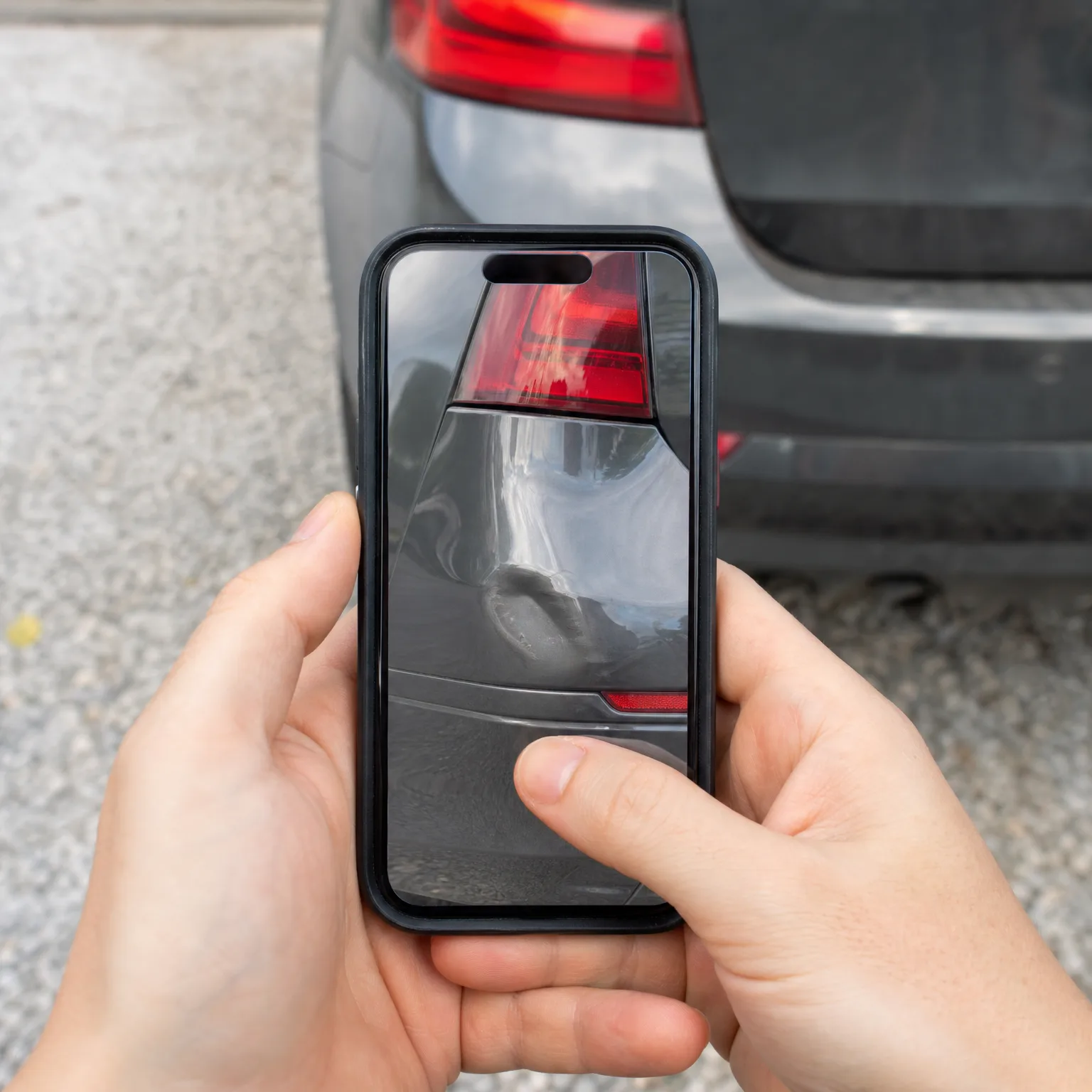
What happens next depends on whether the person had your permission and whether that permission matched how they were using the car. If a friend borrowed your car to run an errand and crashed on that errand, you're on solid ground. If they took it somewhere you didn't agree to, or used it for something like deliveries you didn't know about, the insurer may dispute the claim.
Your own rates can also rise after a claim involving someone else driving your car, since it's your policy and your history. This is one more reason occasional favors are usually fine, but a person who drives your car often should be listed, so their driving builds their own record instead of only affecting yours.
Once you know who should be listed on your policy, compare quotes that match how your car actually gets used.

Do I need to add my boyfriend or girlfriend to my car insurance?
Only if they drive your car regularly, not for occasional use. Insurers care about frequency and access, not relationship status. If they live with you or borrow your car often, list them, since an unlisted regular driver can jeopardize a claim. If they drive it once in a while, permissive use usually covers that without any changes needed. Ask your insurer where their line is between occasional and regular, since that threshold isn't the same at every company.
Does my insurance cover a rental car if someone else drives it?
Often yes, but check your specific policy, since rental coverage rules vary by insurer and by state. Some policies extend your regular coverage to rentals automatically, others require an add-on. The same permission rules apply too, so if you let someone else drive a rental car under your name, their use needs to be something you actually authorized. Confirm with your insurer before the trip, not after an accident, since rental situations often have different fine print than everyday driving.
Can I remove someone from my car insurance without their permission?
Usually yes, if you're the policyholder, since you control who's listed. This comes up often during a separation, when one person wants a spouse off the policy. But removing someone with an interest in the car, like a co-owner on the title, can get complicated and may require more than a phone call to your insurer. Check how your state and your insurer handle removals tied to shared ownership, since that can change what's required before the change takes effect.

The real question isn't whether they can drive your car, it's whether their use is occasional or regular.