How Do I Temporarily Pause Car Insurance
You can't pause insurance without consequences, but you can shrink your coverage and cost until your situation settles.
Insurers don't offer a true pause, so you have to build one
Car insurance is built around continuous coverage. Insurers track whether you've carried insurance without a break, and that history affects what you pay and whether some companies will even insure you. A real pause, where the policy simply stops and starts again later, isn't something insurers offer, because it breaks the thing they're actually tracking.
What you can do instead is reduce the policy to its smallest legal and practical form. If a car isn't being driven, you may be able to drop collision and comprehensive coverage down to just the state-required liability minimum, or in some states switch to a storage or parked-car endorsement that keeps the car registered without full coverage. This works best when the car is sitting in a garage or driveway, not when someone is still driving it occasionally.
During a separation, this matters because you may be paying for a car your spouse now drives exclusively, or a car that's sitting unused while ownership gets sorted out. Removing a driver, dropping extra coverage, or adjusting who's listed on the policy can lower the bill without creating a lapse. The key difference between this and a pause is that the policy stays active the whole time, just smaller.
Where this gets complicated is state law. Some states require continuous liability coverage on any registered vehicle, full stop. Others allow a non-use or storage status that suspends the requirement entirely. Check with your state's motor vehicle agency or your insurer directly, because driving the car even once while it's marked as stored can create real legal and financial exposure if something happens.

What to adjust instead of trying to stop coverage
- Drop to minimum coverage If a car still needs to be legally insured but isn't being driven much, lower it to your state's required liability limits. This cuts cost without creating a gap.
- Ask about storage status Some states let you register a car as non-operational, suspending the insurance requirement. Confirm the car truly won't be driven, even once, before choosing this.
- Remove, don't delete, a driver Taking your ex off the policy is different from pausing it. Do this as soon as the arrangement is clear so you're not covering someone else's driving.
- Split policy, no gap If you're splitting into two policies, start the new one before ending the old one. This avoids any day without proof of insurance.
- Check the lapse penalty first Ask your insurer exactly what happens if coverage stops, even briefly. Some track it by the day and it can affect pricing for years.

A spouse moves out and a second car sits unused
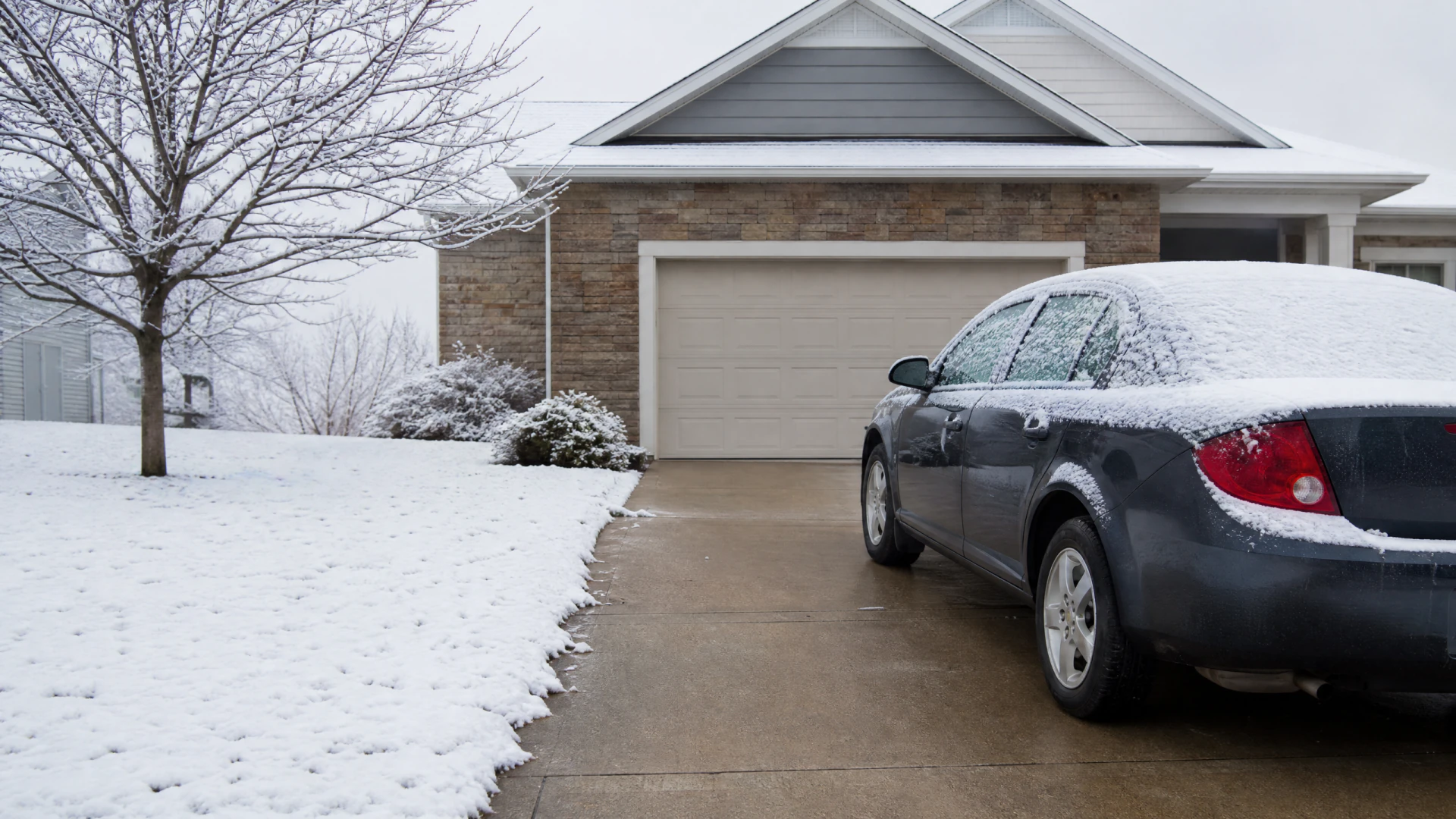
Maria and her husband separated, and he moved into an apartment, taking one of the two cars with him. The second car, an older sedan, stayed in Maria's garage because their teenage son wasn't ready to drive it yet and no one was using it daily. Maria didn't want to keep paying full coverage on a car nobody drove, but she also didn't want to cancel insurance entirely in case her son needed it again soon.
She called her insurer and asked about her options before changing anything. They confirmed her state allowed a parked-car status that suspended the liability requirement as long as the car stayed off the road and she surrendered the active registration tag. She chose that option, keeping the title and registration intact but paying only a small fee to maintain it, rather than full premiums. When her son started driving a year later, she called again, reinstated full coverage, and added him as a listed driver. Because she never drove the car during that period, there was no lapse and no penalty, just a lower bill during the months it sat unused.
Once you know which cars need full coverage and which don't, compare quotes for the smaller policy that actually fits.
Can I remove my spouse from my car insurance before the divorce is final?
Yes, you can remove a spouse from your policy before the divorce is finalized, as long as you're no longer sharing the vehicle they're listed to drive. Insurers generally allow this change anytime, since it's based on who drives which car, not on marital status. Check whether your state or policy requires notifying the other person, and confirm the car they'll be driving has its own active coverage first so there's no gap.
What happens if my ex drives a car still on my insurance?
If your ex drives a car listed on your policy, your insurance is likely still responsible if something happens, even if you no longer live together. This depends on whether they're a listed driver or just someone using the car occasionally, since most policies cover permitted use of an insured vehicle. Check your policy's language on who counts as a covered driver, and change it immediately once living arrangements or car assignments are settled.
Will I lose my discounts if I split my policy from my spouse?
You may lose multi-car or bundled discounts when you split a shared policy, but you often gain others tied to your own driving history or new provider. This depends on what discounts applied to the joint policy versus what you qualify for alone. Ask your insurer for a breakdown of which discounts are tied to the household versus to you individually before you finalize the split, so you know what to expect on the new bill.

The real decision isn't pausing coverage, it's how small you can make it without ever letting it lapse.