How Do I Update My Car Insurance Policy After Divorce
You update it by removing your ex, titling each car to its driver, and starting your own policy before the old one ends.
The policy follows the names on it, not the marriage
A car insurance policy is tied to the people listed on it, not to a marriage or a shared address. The named insured controls the policy, and anyone else on it is a listed driver. When you divorce, the legal relationship changes, but the insurer doesn't know that until someone tells them. Nothing updates automatically.
The cleanest split usually follows the cars. Whoever keeps a car should be on the title for that car and should be the one insuring it going forward. If a car's title still names both of you, the insurer may ask for that to get sorted too, since title and policy usually need to match. This is also where the divorce agreement matters. It can say who keeps which car and who's responsible for insuring it, but that agreement is between the two of you. It doesn't instruct the insurance company to do anything on its own.
Timing is the part people get wrong. If one person simply gets dropped from the shared policy on a certain date, and the other hasn't set up their own coverage yet, there's a gap. Insurers don't backdate coverage, so a lapse like that is real and it can follow you. The safer order is to get your own policy quoted and ready to start before you ask to be removed from the old one.
Where this varies is mostly around things like how long you can stay on a shared policy after separation, how discounts get recalculated when a driver leaves, and what proof an insurer wants about who owns which car. Ask your insurer directly what they need and when they need it.
What happens to our discounts when we split the policy?
You'll likely lose any discount that was based on having two drivers or multiple cars on one policy, since those discounts exist because of the shared arrangement, not because of either person individually.
What each of you keeps depends on your own record from here. A long history with no claims, continuous coverage with no lapse, and a clean driving record all carry over to a new policy in your name, even though the household discount doesn't. Ask your insurer what transfers and what resets, because this varies by insurer. If you're shopping for your own policy anyway, compare a few, since the discount you lose from splitting might be offset by one you didn't have before.

Whether you set up your own policy before leaving the shared one
If you do
You get a start date for new coverage, then ask to be removed from the shared policy on or after that date. There's no gap. Your ex can't be driving a car that's supposed to be yours under your name, and you have a clean record of exactly when coverage changed.
If you don't
You're removed first and left finding coverage after the fact, sometimes same-day. If anything happens in between, there may be no policy covering it. A lapse like this can show up later when insurers ask about your coverage history, even if it only lasted a short time.
Once you know which car is yours and when your new coverage starts, compare quotes to find your own policy.
What actually needs to happen to split the policy
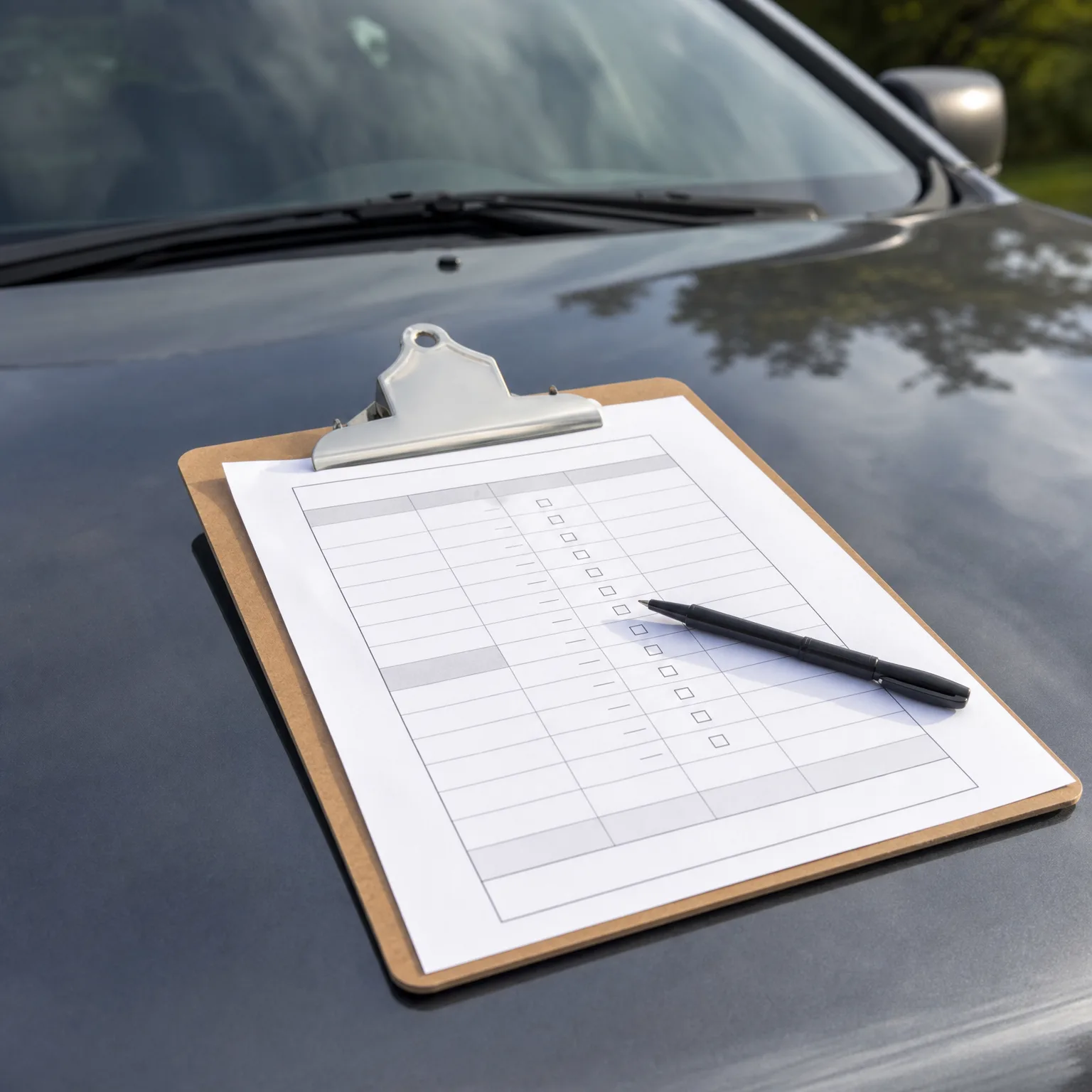
- Match titles to drivers Each car should be titled to the person keeping it. Insurers often expect the title and the policy to name the same person, so sort this before you call about coverage.
- Set a start date first Get your own policy quoted and ready to begin before you leave the shared one. This is the single biggest way to avoid a gap in coverage.
- Remove, don't just cancel Ask to be taken off the shared policy rather than canceling it outright, especially if your ex still needs it active for their own car.
- Tell them about teen drivers If a teenager's coverage depended on the shared policy, say so when you call. The insurer needs to know which household and which policy they'll be listed on now.
- Ask what proof is needed Some insurers want a copy of the divorce agreement or title transfer before they'll make changes. Ask early so you're not stuck waiting on paperwork at the last minute.

The risk isn't losing a discount. It's a gap in coverage that nobody meant to create.
Can my ex still drive a car that's on my insurance policy?
Yes, as long as they're a listed driver on your policy and the car is covered, they can legally drive it. The question is whether you want that. If the divorce agreement gives them a different car, or none, ask your insurer to remove them as a driver, not just change the title. Check whether your state or insurer requires you to report who regularly drives each car, since an ex driving a car they're not listed on could affect a claim.
Do I need a new insurance policy if I'm keeping the same car?
Probably yes, if the policy was in both your names or primarily your ex's name. Even if you keep the same car you've always driven, the policy itself needs to name you as the insured going forward. Check whose name is listed as the named insured now, since that's the person the insurer considers responsible for the policy, not just a driver on it.
How do I add my teenager back onto an insurance policy after the split?
You list them as a driver on whichever parent's policy matches where they primarily live and drive. If custody is shared, check with the insurer, since some allow a teen to be listed on both parents' policies while others want one primary policy. What changes the answer is where the car they usually drive is titled and insured.