How to Get Around Paying a Car Insurance Deductible
You can't make a deductible disappear, but you can often avoid paying it by shifting who's responsible for the damage.
The real ways to avoid paying a deductible
- Let the other insurer pay If another driver caused the accident, their liability coverage pays your repair costs with no deductible at all. File the claim against their policy instead of your own whenever fault is clear.
- Use gap or waiver coverage Some policies, leases, and credit cards include deductible waivers or gap coverage for specific situations. Check your paperwork before assuming you're stuck paying out of pocket.
- Ask them to pay you directly For small amounts, the other driver may offer to pay you directly instead of going through insurance. Get the agreement in writing and confirm the money before you release any claim.
- Get reimbursed after the fact If your insurer pays your claim first, it can later collect from the at-fault driver's insurer and refund your deductible. This takes time, so ask your adjuster how the process works.
- Negotiate with the repair shop Some shops absorb small deductible amounts into the total bill, though this isn't universal and some states restrict it. Ask directly and get any arrangement in writing.
Can my insurance company just waive my deductible for me?
Not as a routine favor, no. Insurers calculate deductibles into your premium and policy terms, so waiving one without a specific reason would break the agreement you signed.
There are exceptions built into some policies. A few insurers waive the deductible for a first accident as a loyalty perk, and some states require insurers to waive it in certain situations, like when only your windshield is damaged. Check your declarations page or ask your agent directly whether anything like this applies to you. Outside of those specific, documented cases, the deductible is a fixed part of the deal, and no amount of asking will make an insurer drop it without a reason already written into your policy or required by law.

The deductible isn't optional, but who ends up paying it often is.
Once you know how deductibles actually work, compare quotes to find coverage that fits how you drive.
A rear-end accident that cost nothing out of pocket
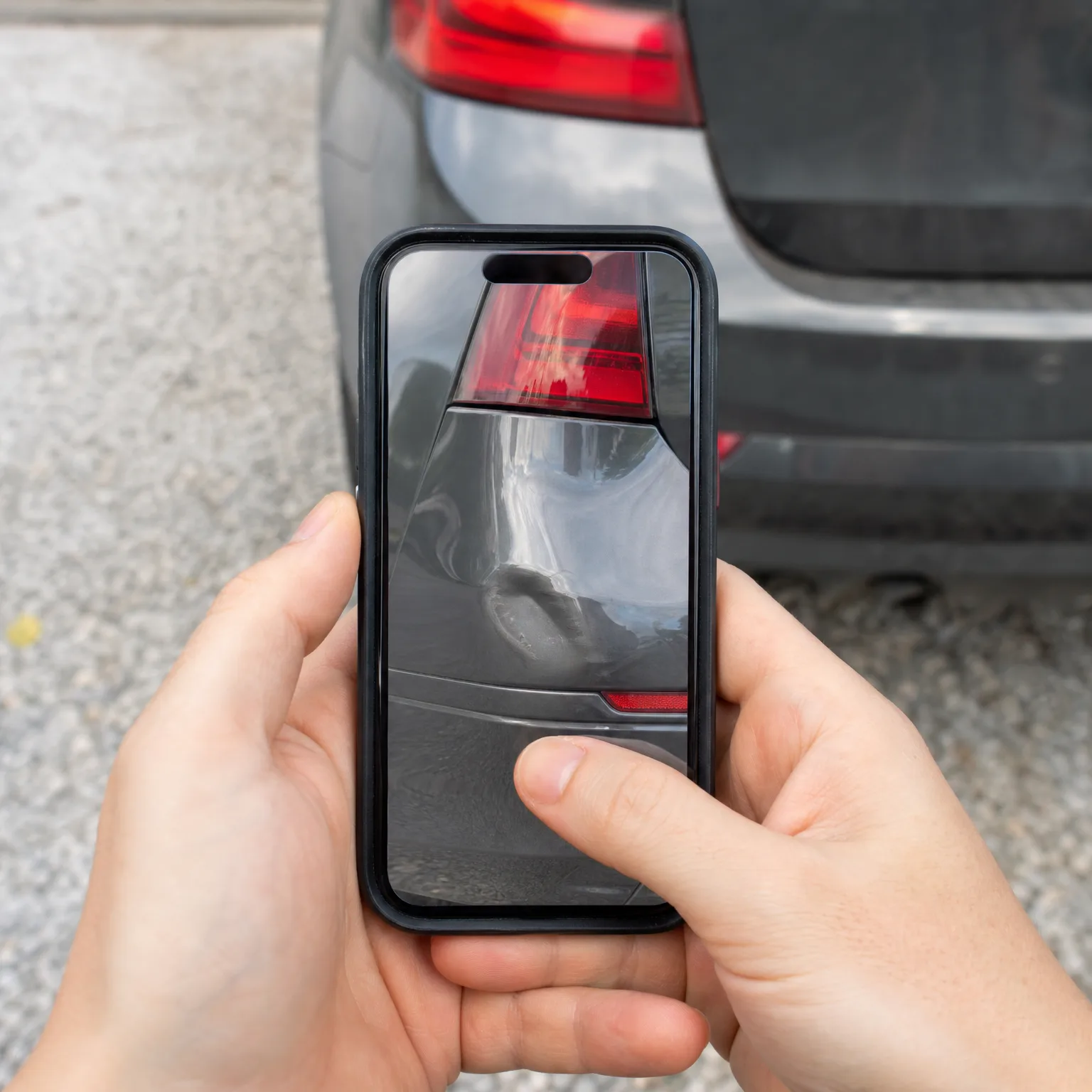
Maria was stopped at a red light when another driver rear-ended her car. The damage came to a moderate repair bill, well above her deductible. Her first instinct was to file through her own insurer since that felt faster, but her agent asked a simple question first: was the other driver clearly at fault? Police confirmed it, and the other driver had insurance.
Maria filed the claim against the other driver's liability coverage instead of her own policy. That meant no deductible came out of her pocket at all, since liability claims against the at-fault party's insurer don't involve her deductible. The other insurer's adjuster inspected the car, approved the repair, and paid the shop directly. The process took a bit longer than using her own insurer would have, since the other company had no urgency to move fast, but Maria paid nothing. Her insurer never got involved, so her own claims history stayed clean too.
Why the deductible exists and when you can sidestep it
A deductible is the portion of a claim you agreed to cover yourself in exchange for a lower premium. Insurers price every policy around the assumption that you'll absorb small costs yourself, so removing that assumption without changing the price would undo the whole arrangement. That's why no insurer will simply waive it on request.
What actually changes the picture is whose coverage pays the claim. Your deductible only applies when you're drawing on your own collision or comprehensive coverage. If someone else is legally at fault and their liability coverage pays instead, your deductible never enters the picture because you're not using your own policy at all. This is the single biggest lever most people don't realize they have.
There are smaller exceptions too. Some states mandate deductible waivers for specific damage types, most commonly glass repair. Some insurers offer a disappearing deductible or first-accident forgiveness as a loyalty feature, which lowers or waives the amount after years of safe driving. Leases and loans sometimes include gap coverage that handles the deductible in a total loss. None of these are universal, so you have to check your own policy and state rules rather than assume.
Where it gets complicated is shared fault. If both drivers share blame, you may end up paying a portion of your deductible proportional to your share. In hit-and-run or uninsured driver cases, you're often stuck using your own coverage and your own deductible, because there's no other policy to shift the cost to.
What happens if I can't afford my deductible after an accident?
Most body shops will work with you, including setting up a payment plan or waiting to start repairs until you can pay. Tell the shop early rather than after the work is done. Some shops offer financing, and a few may reduce the amount informally, though that varies by shop and isn't guaranteed. If you truly can't pay, your insurer still owes you the claim amount above the deductible, so explore every option before skipping needed repairs.
Does filing a claim against someone else's insurance affect my rates?
Usually not, since the claim isn't on your policy and isn't counted against your claims history. Your insurer typically only raises rates based on claims paid out under your own coverage. Check your state's rules and your insurer's practices though, since a few insurers track accidents you were involved in regardless of fault, even if they didn't pay anything.
Should I raise my deductible to lower my premium?
It depends on how much savings you'd get versus how much you could comfortably pay if you had a claim tomorrow. A higher deductible lowers your premium, but it means more money out of pocket exactly when you're already dealing with a damaged car. Compare the premium difference against your savings before deciding, and don't raise it higher than you could pay immediately.