
Three Important Tips for Filing an Auto Insurance Claim
Document which car and driver were involved, report the claim promptly, and keep your own records separate from your ex's.
Free to compare
Why claims get messier during a separation
An insurance claim is really just a request for the insurer to confirm what happened and pay for it under the terms of the policy. When two names are still on that policy, the insurer doesn't automatically know who's responsible for which car or who's still supposed to be driving it. That's why the facts you gather at the time of the incident matter more than usual right now. The claim has to stand on its own, not on an assumption that you and your ex are still coordinating the way you used to.
The named insured on the policy is the one the insurer will typically contact first, and the one whose authority they'll rely on to make decisions about the claim. If that's your ex and the car involved is yours, that disconnect can slow things down unless it's addressed early. The same is true in reverse. Knowing who holds that role on your current policy, before anything happens, saves you a difficult conversation during a claim.
A claim filed during this transition can also become evidence of who was driving what, and when, which matters if you're still working out the title or the agreement. Insurers keep records of the date, the driver, and the vehicle involved, and those records don't disappear once the separation is finalized. If there's ever a dispute about who was responsible for a car at a given point, a clearly filed claim is one of the few neutral records that exists.
Where this plays out differently is based on your state's rules about marital property and named drivers, and your insurer's own process for claims involving more than one policyholder. Some insurers require both names to authorize repairs or payouts until the policy is formally split. Check with your insurer directly about what they need from each of you.
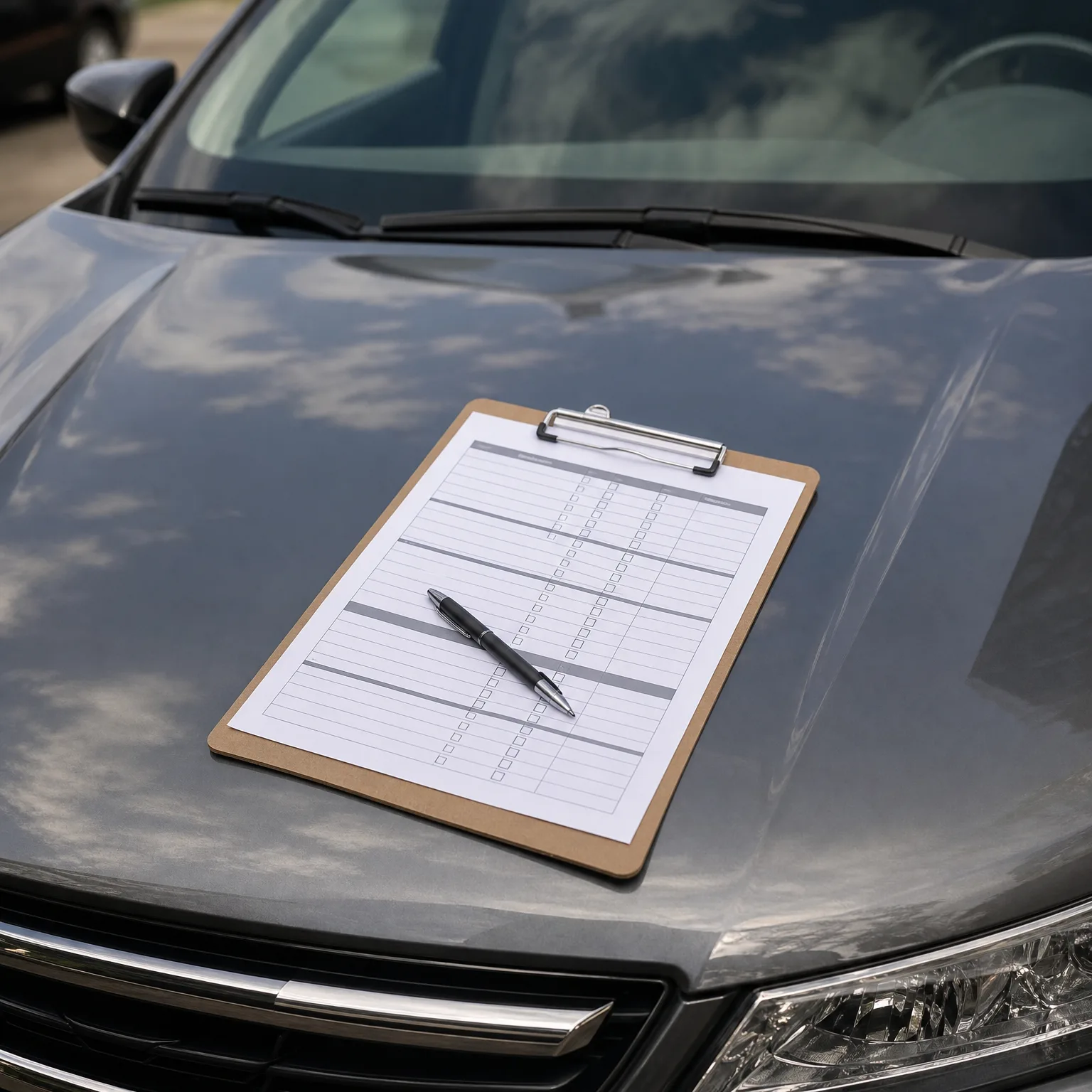
What to do when filing a claim right now
- Report it immediately Delays can raise questions about why no one called it in right away, especially if two people were sharing the policy. Call your insurer as soon as you reasonably can, even before anything is fully decided between you.
- Note who was driving Write down who was behind the wheel and whose name is on the car's title. This detail can matter later if ownership or the policy itself is still being divided.
- Keep your own copy Save every document, estimate, and claim number for yourself, not just through a shared email or file. You may need this record independently once the policy is split.
- Clarify who's the named insured Find out whose name the insurer will contact first about this claim. If it isn't you and the car is yours, ask how to get added or prioritized on communications.
- Don't wait on the split to file A pending separation or divorce isn't a reason to delay a claim. File it under the policy as it exists today, then adjust the policy itself separately.

Once you know how to file cleanly during this transition, compare quotes for the policy you'll need on your own.

Should you wait until the policy is split to file?
If you do
Waiting to file until names are sorted out can mean missing windows insurers expect claims to be reported in. The car may sit unrepaired, the other driver may lose track of details, and you could end up with weaker evidence of what happened and who was responsible.
If you don't
Filing right away keeps the record accurate and timely, even if the policy itself still has both your names on it. You can sort out who pays what or how the policy divides afterward. The claim and the policy split are two separate problems, and only one of them is urgent today.
Can my ex file a claim on a car that's only in my name?
It depends on whether they're still a named insured or listed driver on the policy covering that car. If they are, they likely can file, even if the title is solely yours. If you've already removed them from the policy or the title doesn't match who's insured, the insurer may require your authorization first. Check your current policy documents and your state's rules on marital property, since this affects who the insurer treats as having standing to file.
Will a claim filed during our separation affect how we split the cars?
Not directly, since insurance claims and property division are handled separately. But the claim record, including who was driving and which car was damaged, can become useful information if there's a dispute later about who used or was responsible for a vehicle. It won't decide who keeps the car, but it can support whatever agreement or court decision does.
What if my ex won't cooperate with the claim?
Tell your insurer directly, since they have processes for claims involving uncooperative co-policyholders. You can usually still file and provide your own account and documentation even without their involvement. What changes is how quickly it resolves, since some steps may need both parties. Ask your insurer specifically what they need from you alone versus what requires the other named insured.

The claim and the divorce are two different timelines. Don't let one wait on the other.