What Does Proof of Car Insurance Coverage Mean
Proof of coverage is a document from your insurer showing your policy is active and which car and driver it applies to.
Free to compare
A split household with one old insurance card
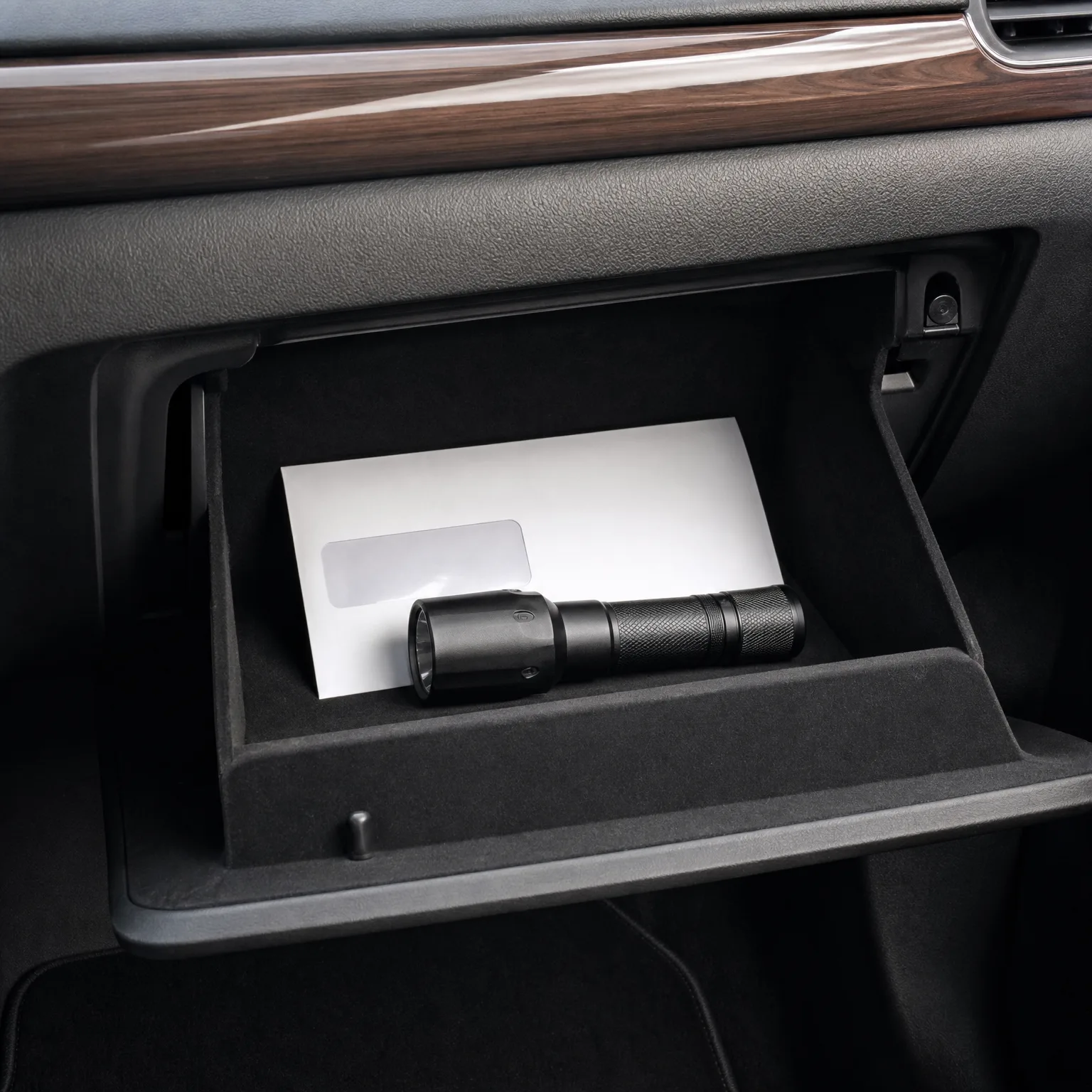
A woman going through a separation was pulled over driving the car that was in the process of becoming hers alone. The insurance card in the glovebox still listed her husband as the named insured and both of their names on the policy. The officer accepted it since the policy was still active and her car was listed on it, but it made her realize the card didn't reflect what was actually happening with their coverage.
She called her insurer that week, before anything changed with the title, and asked what her card would look like once she had her own policy. She learned that once she left the shared policy, she'd get a new card with just her name and her car, and that the old shared card would stop being valid proof for her the day she was removed. She made a note to update the card in her car the same day her new policy started, so she'd never be carrying proof that no longer matched reality.
Does my proof of insurance change the moment I leave my spouse's policy?
Yes. The moment you're removed from a shared policy, any proof of coverage tied to that policy stops being valid for you, even if the card is still in your car. Proof of insurance only works if it accurately reflects an active policy that currently covers you and the car you're driving.
This is why timing matters so much when you're splitting a policy. You want your new, individual proof of coverage in hand and in the car before the old shared policy stops covering you, not after. If there's any gap between the two, you're driving without valid proof during that gap, regardless of what paperwork is sitting in your glovebox.
Once you know what your proof of coverage needs to show, compare quotes for the policy that will actually back it up.

Carrying proof that matches your real coverage
If you do
You keep a current insurance card or digital proof in the car, and it matches your actual policy and driver. If you're stopped or in an accident, it confirms coverage immediately, with no awkward explanation about an ex or an old shared policy.
If you don't
You get stopped or need to file a claim with an outdated card, maybe one listing your ex or a policy you've already left. Even if you do have active coverage somewhere, the mismatch causes delays, suspicion, or a claim getting held up while it's sorted out.
Can I use a digital insurance card instead of a paper one?
In most cases yes, since many insurers now offer an app or PDF version that counts as valid proof, but this depends on your state and sometimes on local police practice. Check with your insurer whether they offer a digital card and check your state's rules on whether it's accepted everywhere a paper card would be. If you're unsure, keep a printed copy in the car as backup, especially during a transition like a divorce when you want zero room for confusion.
What happens if I get pulled over with an expired insurance card?
It depends on whether your coverage is actually still active, even if the card itself is outdated. If your insurer can confirm current coverage, many states allow officers to verify it electronically, but others will still cite you for failing to show valid proof. Check your state's specific rule, and separately check with your insurer how to get an updated card quickly, since this matters most right after you've changed policies during a separation.
Do I need new proof of insurance every time my policy changes?
Yes, any time your policy changes in a way that affects your name, your vehicle, or your coverage, you need an updated card or document reflecting it. This includes being added to or removed from a shared policy, changing which car you drive, or adjusting coverage limits. Check with your insurer how quickly they issue updated proof after a change, since you want it in hand before the old version stops being accurate.

Proof of insurance has to match reality right now, not the policy you once had or meant to update.