What Happens if I Do Not Add My Child to My Auto Insurance
If your child drives and isn't on your policy, a claim involving them can be denied and your coverage can be cancelled.
Free to compare
Insurers price risk on who drives the car, not just who owns it
A car insurance policy is built around a list of expected drivers. When you apply or renew, the insurer asks who lives in your household and who might reasonably get behind the wheel of your cars. A teenager with a license who has access to a household vehicle is exactly the kind of driver that question is meant to catch. Leaving them off isn't a paperwork shortcut, it changes what the insurer thinks they're covering.
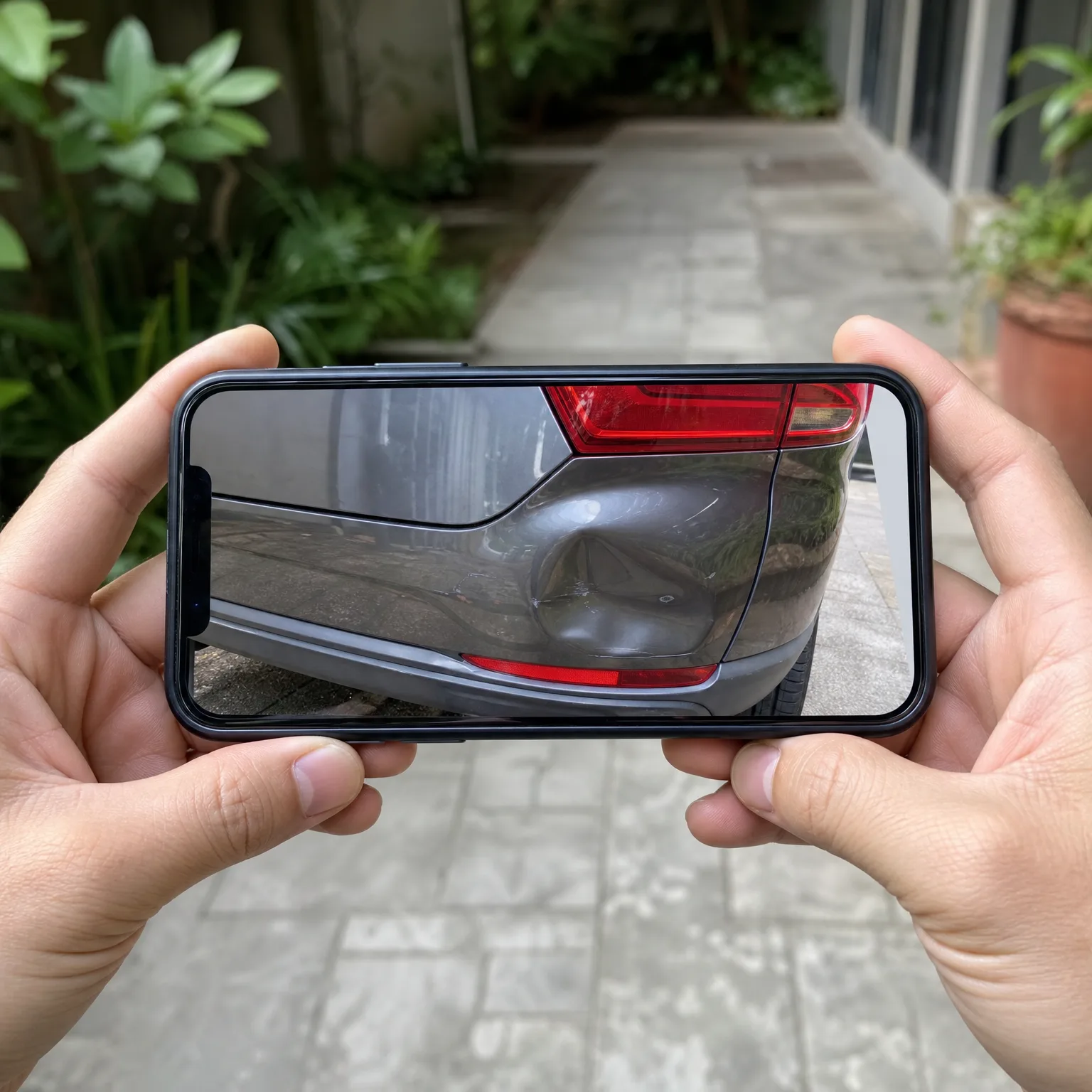
That gap matters most at the moment of a claim. If your child is driving and causes an accident, the insurer can investigate who was behind the wheel and whether that person should have been disclosed. If they find an undisclosed regular driver, they can deny the claim entirely, leaving you to pay for damage and injuries out of pocket. In serious crashes, that exposure can be large.
Beyond the immediate claim, insurers can treat the omission as misrepresentation on the application. That can lead to the policy being cancelled or not renewed, which then becomes a mark on your record that future insurers see. A cancellation for misrepresentation is harder to explain away than a normal lapse, and it can follow you when you shop for new coverage.
There are narrower cases where the risk is smaller. A child away at school without a car, or one who never drives the household vehicles, may not need to be listed everywhere. Rules on exactly who counts as a household driver and how exceptions work vary by state and by insurer, so check your specific policy and ask directly rather than assuming your situation is the exception.

The short version
If your child drives your car and isn't on your policy, a claim can be denied and your policy can be cancelled for leaving them off. The fix is simple: tell your insurer about any licensed driver in your household. Call your agent now and ask how to add your child or confirm they're already properly excluded.

A parent who assumed occasional driving didn't count
A mother had a sixteen year old who'd just gotten a license and only drove the family car to school a few times a week. She didn't call her insurer, figuring it was minor and that she'd deal with it before any road trips. A few months later her daughter borrowed the car on a weekend, was in an accident that injured another driver, and the claim went to the insurer for review.
The insurer discovered during the claims investigation that there was a licensed driver in the household who'd never been disclosed. They denied coverage for the liability claim, citing misrepresentation on the policy application, and the family was left responsible for the other driver's medical bills and vehicle damage directly. Had she called when her daughter got her license, the insurer would have added her as a listed driver, likely at an added cost, but with the claim covered. The lesson she took from it wasn't that insurance failed her, it was that the one phone call she kept putting off was the entire difference.
Once your child is properly listed or excluded, compare quotes to make sure your coverage still fits your budget.


What's actually at stake when you don't add them
- Claim denial If your child causes an accident while undisclosed, the insurer can refuse to pay. You'd be personally responsible for damage and injury costs.
- Policy cancellation Insurers can treat the omission as misrepresentation. That can end your policy and make it harder to get affordable coverage later.
- No gap, but a cost Adding your child usually raises your premium. It's still far cheaper than facing an uncovered claim after a serious accident.
- Exclusion as an option Some insurers let you formally exclude your child from coverage if they truly never drive your cars. Ask whether this fits your situation instead of silence.
- Rules vary by insurer What counts as a household driver differs by company and state. Confirm directly with your insurer rather than guessing.

Silence isn't neutral here. Not telling your insurer is itself the decision that can cost you a claim.