
What Happens if My Ex Drives the Kids in My Car
In most cases your car's policy covers whoever drives it with your permission, including your ex, but a few things can change that.
Why coverage usually follows the car
Car insurance is built around the vehicle first. The policy you bought for that car extends to anyone you allow behind the wheel, which is why a friend, a relative, or an ex can usually drive it without a separate policy. This is called permissive use, and it's standard in most policies, though the exact wording and limits vary by insurer.
The complication after a separation is that permission isn't always obvious anymore. If you and your ex once shared a policy and now live apart, the question becomes whether your ex is still a listed driver, whether they were removed, and whether your current agreement actually allows them to use the car at all. The insurance company doesn't know about your custody schedule. It only knows what's on the policy and who you've said can drive.
There are situations where coverage doesn't follow this simple rule. If your ex was specifically excluded from your policy, often because of a driving record issue or at your request during the split, then them driving your car could mean a claim gets denied. Some insurers also look differently at regular, ongoing use versus occasional use, so if your ex drives the kids in your car every week, that may need to be addressed directly with your insurer rather than assumed.
The other variable is the vehicle's title. If the car is titled solely in your name, that's usually straightforward. If it's jointly titled and you're mid-separation, your state's rules and your separation agreement both matter, and you should check both before assuming anything about who's covered.
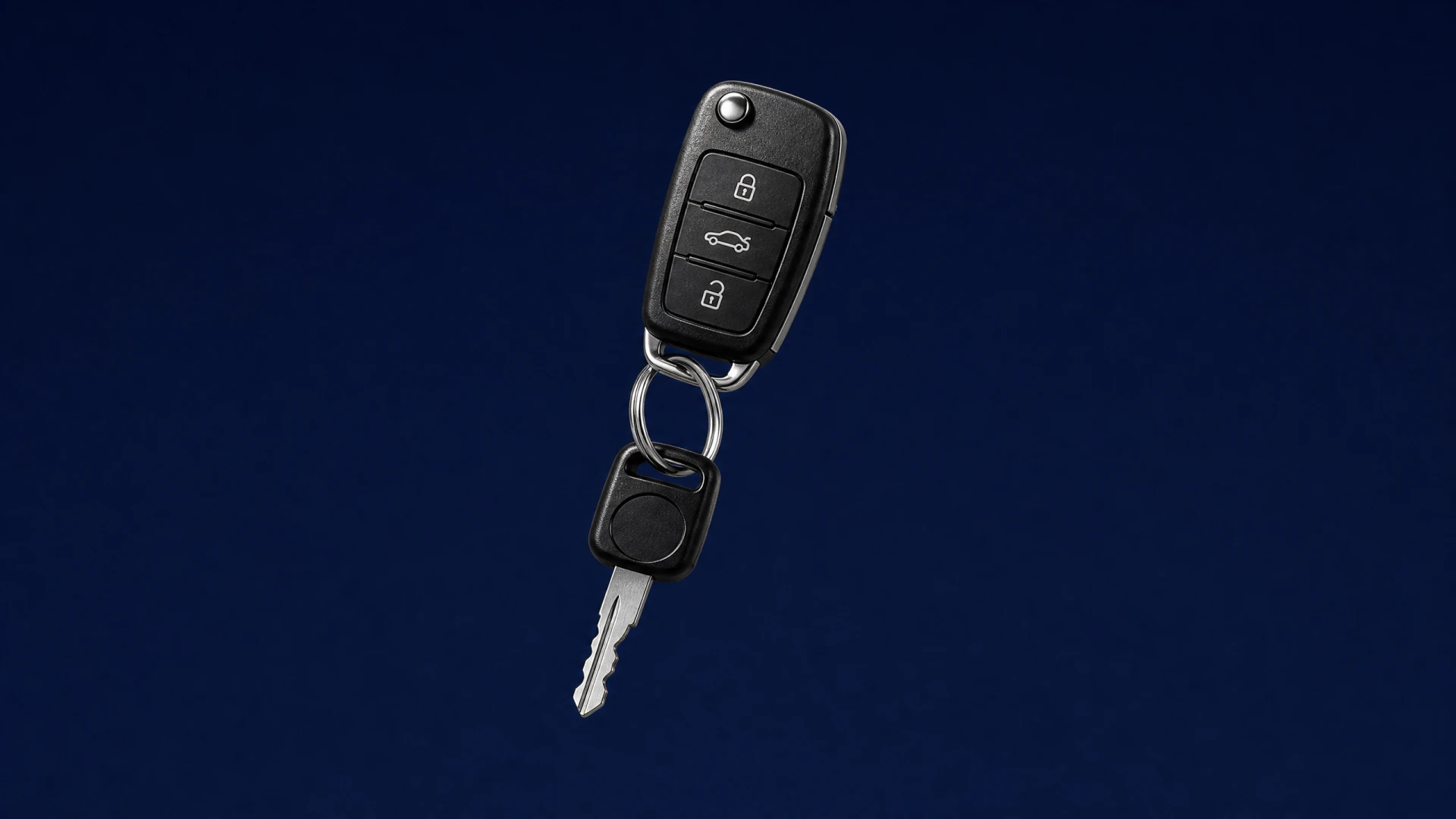
The short version
If your ex drives your car with your permission, your policy generally covers that, unless they're specifically excluded. Check whether your ex is a listed or excluded driver on your policy right now, not just who technically owns the car. Call your insurer to confirm before it comes up in real life.

What actually determines the answer
- Who's excluded If your ex was formally excluded from your policy, their driving your car isn't covered. Check your policy documents or call your insurer to confirm their status.
- Who's listed A listed driver is automatically covered. If your ex is still listed from before the separation, decide whether that still makes sense for your situation.
- How often they drive it Occasional use is usually fine under permissive use. Regular, scheduled use, like every custody exchange, is worth confirming directly with your insurer.
- What your agreement says A separation agreement can specify who drives which car, but it doesn't change what your insurer has on file. Make sure the two match.
- Who owns the car Title and insurance are separate questions. Even if your ex isn't on the title, they can still be covered to drive it if the policy allows.
Once you know who's actually covered to drive your car, compare quotes to make sure your policy fits your situation now.

A shared car, a new schedule
Dana and her husband separated but hadn't finalized anything yet. She kept the car the kids were used to, and for the first few months her ex picked them up for his weekends using that same car, since his own vehicle was in the shop. Dana wasn't sure if that counted as covered, since his name was still on the policy from their years married, but neither of them had changed anything yet.
She called her insurer to ask directly. Because her ex was still a listed driver and hadn't been removed, he was covered for those weekend drives without any changes needed. But the agent also pointed out that once their separation agreement was finalized and he got his own car, she'd want to remove him from her policy, both to stop paying for his driving history and to make sure the policy matched their actual arrangement. Dana made a note to revisit it in a few months rather than guessing, and it saved her from either an awkward gap in coverage or paying for a driver who no longer needed to be there.

The policy doesn't know your custody arrangement. It only knows who's listed, so make sure those match.