What Happens if Someone Else Drives My Car and Crashes
Your car insurance follows the car, so your policy pays first even if you weren't the one driving.
Free to compare
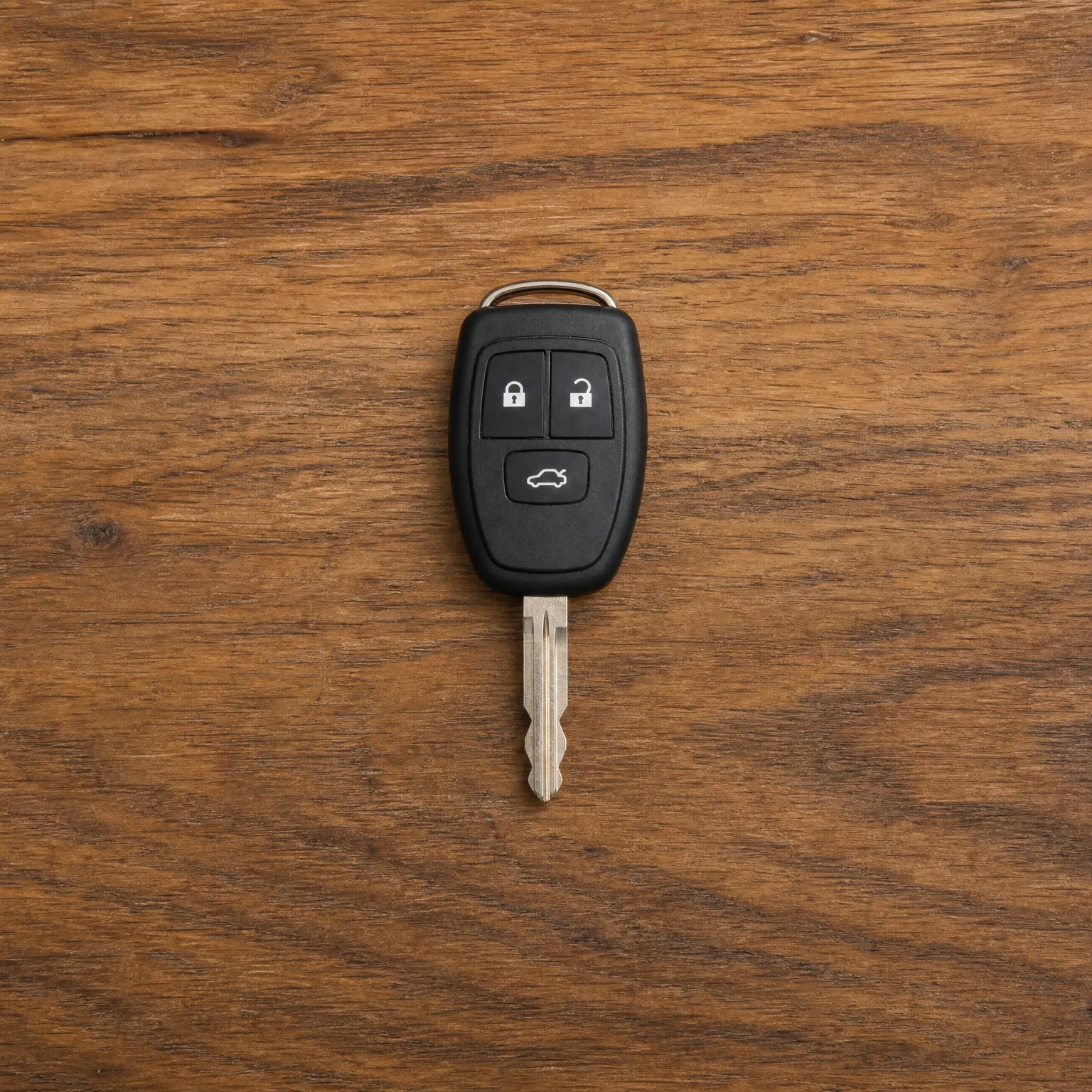
A friend borrows the car for a weekend and crashes it
Someone lets a close friend take their car for the weekend while they're out of town. The friend misjudges a turn in a parking lot and hits another car. No one is hurt, but both cars have damage. The friend panics, assuming their own auto policy will have to cover it since they were driving.
It doesn't work that way. Because the car itself was insured under the owner's policy, that policy is the one that responds first, covering the damage to both cars up to its limits. The owner files the claim, pays their deductible, and deals with their own insurer. The friend's policy only comes into play if the damage goes beyond what the owner's policy covers, which is rare for a minor parking lot crash. The owner ends up with a claim on their record even though they weren't behind the wheel, and that's the part most people don't expect going in.
Will my rates go up if someone else crashes my car?
Often, yes. Because the claim gets filed under your policy, it shows up in your claims history the same way as if you'd been driving. Insurers mostly care about the car and the cost of the claim, not who had their hands on the wheel at the time.
How much this affects your rate depends on your insurer and your state, since both vary in how heavily they weigh at-fault claims and for how long. Some insurers offer accident forgiveness that can soften a first claim. If you lend your car often, it's worth checking your policy's specific history of rate impact rather than assuming the worst.

Whether you let someone borrow your car
If you do
Your policy covers the crash the same as if you were driving, as long as you gave permission. You pay your deductible, the claim goes on your record, and your insurer handles the other driver's damage too. Ask the borrower about their own coverage in case costs exceed your limits.
If you don't
If someone takes your car without permission, your insurer may still cover the damage but can try to recover costs from that driver. You'll need to explain clearly that you didn't authorize it. Report it quickly, and consider whether it's also a police matter.
Now that you know whose policy pays, compare quotes to make sure your coverage is enough to protect the car.
What decides who pays after someone else crashes your car
- Permission matters If you said yes to them driving, your policy treats the crash like you caused it yourself. Keep that permission casual but real, a text or a clear verbal okay is enough if anyone ever asks.
- The car's policy pays first Insurance is attached to the vehicle, not the driver, in almost every state. Make sure your own policy's limits are high enough, since it's doing the work regardless of who's driving.
- Their policy can back you up If damage costs more than your limits, the driver's own policy may cover the rest. Ask occasional borrowers what their liability limits are before handing over the keys.
- Regular drivers need listing Someone who drives your car often, like a partner or roommate, should probably be added to your policy. Check with your insurer about what counts as 'regular use' versus an occasional favor.
- A claim can still raise rates Even though you weren't driving, the claim is yours and may affect your premium at renewal. Ask your insurer directly how a not-at-fault or borrowed-car claim is treated before you assume the worst.
Why the car's insurance pays before the driver's does
Car insurance is built around the vehicle because that's the thing causing the risk on the road. Insurers price a policy based on the specific car, how it's used, and who the owner says will typically drive it. When someone else gets behind the wheel with permission, none of that changes. The car is still the same risk, so the same policy responds.
This is why permission is the real dividing line, not who happens to be driving at the moment of the crash. If you hand someone your keys, you're extending your own coverage to them for that drive. Insurers expect this. Lending a car to a friend now and then is normal, and policies are written with that in mind.
It works differently when someone drives without permission. In that case your insurer may still pay for the crash, since the car itself is still the one involved, but they can turn around and seek reimbursement from the driver who took it without asking. It also works differently if someone drives your car regularly rather than occasionally. Insurers distinguish between a one-time favor and a pattern, and if they find a frequent driver was never disclosed, they can question the claim or adjust future coverage.
The practical effect is that your coverage limits matter more than you might think, since they're protecting you against other people's mistakes as much as your own. That's worth remembering when you're deciding how much liability coverage to carry, not just when you're deciding who gets to borrow the car.