What Is the Downside to a High Deductible on Auto Insurance
A high deductible lowers your premium but raises what you owe out of pocket the moment you file a claim.
Free to compare
Why the savings come with a catch attached
A deductible is the amount you agree to pay before your insurer pays anything on a claim. Raise it, and you're telling the insurer you'll absorb more of the small and medium losses yourself. They reward that by charging you less, because they're taking on less risk. The downside is simple arithmetic: the money you save on premium has to still be sitting in your account, untouched, on the day you actually need it.
The real risk isn't the deductible itself, it's the mismatch between what you chose and what you can actually afford to pay on short notice. Someone with savings set aside treats a high deductible as a bet they can comfortably win most years. Someone living closer to the edge might save on premium all year, then not be able to cover the repair when the moment comes, and end up either skipping needed work or borrowing to pay for it.
There's also a behavioral cost. A high deductible can make you hesitate to file a claim you're otherwise entitled to make, because the payout after the deductible feels too small to bother with. That's not always bad, filing fewer small claims can help your record, but it means a high deductible quietly shifts more minor damage onto you by default, not just the big stuff.
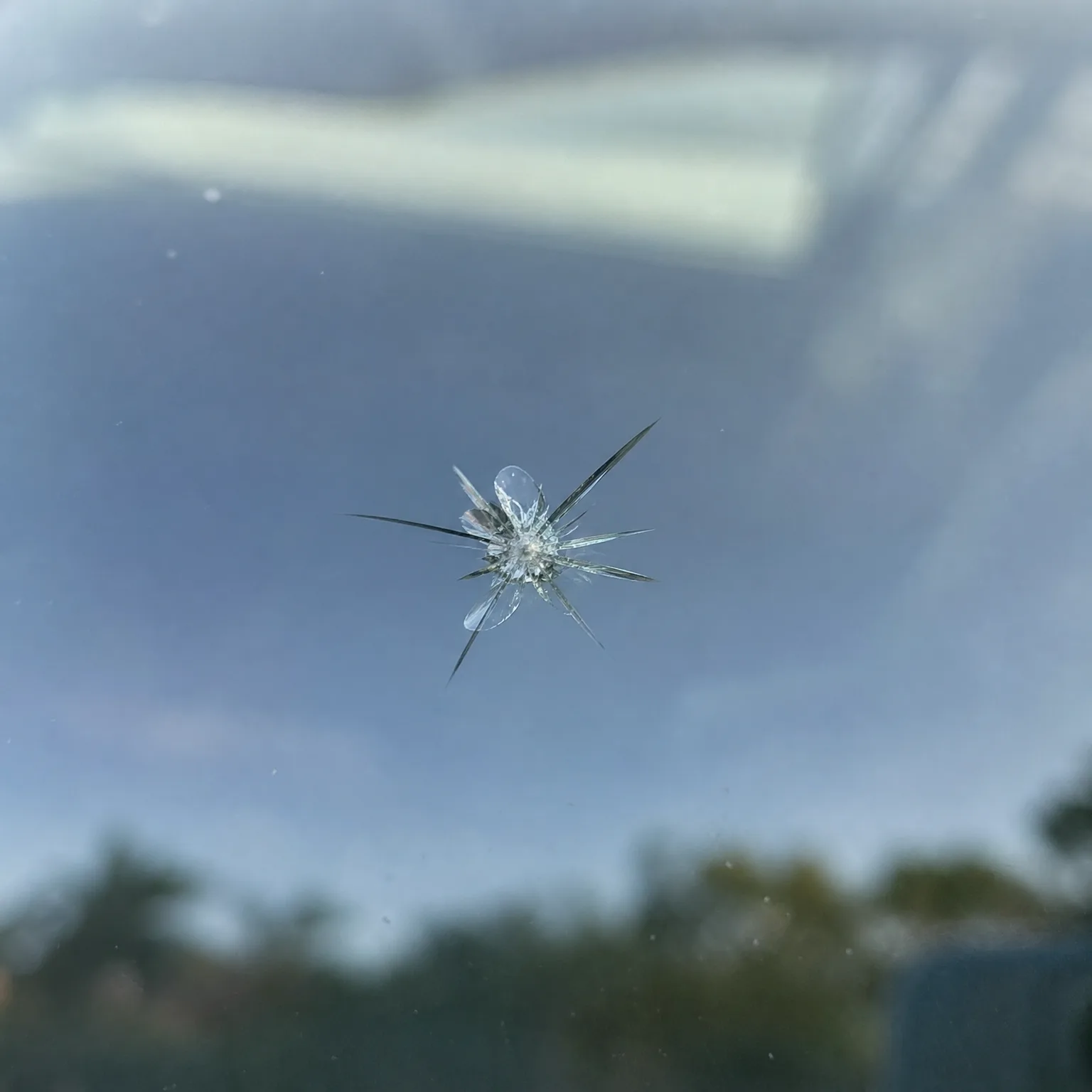
How much this matters depends on your state's rules around claims and your specific insurer's policies on deductible application, especially for glass, towing, or partial losses. Check your policy for how the deductible applies in those edge cases before you raise it.
A driver splitting a policy raises a deductible to save money
After a separation, one driver found their new solo premium higher than expected, since they'd lost a multi-driver discount. Looking for a way to bring the cost down, they raised their collision deductible, assuming they'd rarely need to use it since they hadn't filed a claim in a long while.
A few months later another driver clipped their car in a parking lot and left no note. With no one to collect from, the repair fell entirely on their own policy, and they owed the full deductible before coverage kicked in. They had the cash available, so it worked out, but they admitted afterward that they'd picked the number based on the premium drop alone, not on what they could actually afford to pay on short notice. They lowered it back down at the next renewal.

The deductible you choose is a bet you're making on your own future cash, not just a lever on your premium.
Once you know a deductible you can truly afford, compare quotes at that level to see what you'd actually save.
How do I know what deductible I can actually afford?
Look at the cash you could pay today, without borrowing, if your car needed repairs tomorrow. That number, not the premium savings, should set your ceiling for a deductible.
A common approach is to pick a deductible equal to money you already have set aside for exactly this purpose, separate from your regular bills. If raising the deductible would mean you couldn't cover it without putting it on a credit card or skipping something else, it's too high for you right now, regardless of how much it saves on premium. You can always revisit the number at your next renewal once your savings change.

Choosing a high deductible to lower your premium
If you do
Your premium drops right away, sometimes noticeably. But if you file a claim, you'll owe that larger amount before any payout arrives, and minor damage may cost more to fix yourself than to claim at all, changing how you use the policy.
If you don't
You keep a lower deductible and a smaller cash obligation if something happens, at the cost of a higher premium every period. Small claims stay worth filing, and you're less exposed to a single bad event draining your savings.
Is a higher deductible better than a lower one?
Neither is universally better, it depends on the premium difference and what you can pay out of pocket. Compare the actual gap in premium between the two options against the extra amount you'd owe on a claim with the higher one. If the savings don't clearly outweigh that extra amount within a couple years, the lower deductible is probably the safer pick for you.
Can I change my deductible back after raising it?
Yes, you can usually adjust your deductible at any renewal or sometimes mid-policy by contacting your insurer. Check whether your insurer allows mid-term changes or only at renewal, since this varies by company. If your financial situation changes, like after a divorce settlement or new job, revisiting the deductible is a normal and expected adjustment.
Does a high deductible affect whether I file a claim at all?
Yes, a high deductible often makes small claims not worth filing, since the payout after the deductible may be minimal. Check your claims history policy, since filing fewer small claims can help keep your record clean and your premium stable over time. If the damage cost is close to your deductible, paying out of pocket entirely is often the better move.