What Kind of Questions Do Insurance Adjusters Ask
An adjuster asks what happened, who was involved, what was damaged, and what records back up your account.
Free to compare

The questions cluster around four things
- What happened They want the sequence of events in your own words, in order. Keep it factual and chronological, and don't guess at things you didn't see.
- Who else was involved Names, contact info, and insurance details for every other driver, passenger, or witness. Pull this from the scene or the police report rather than memory.
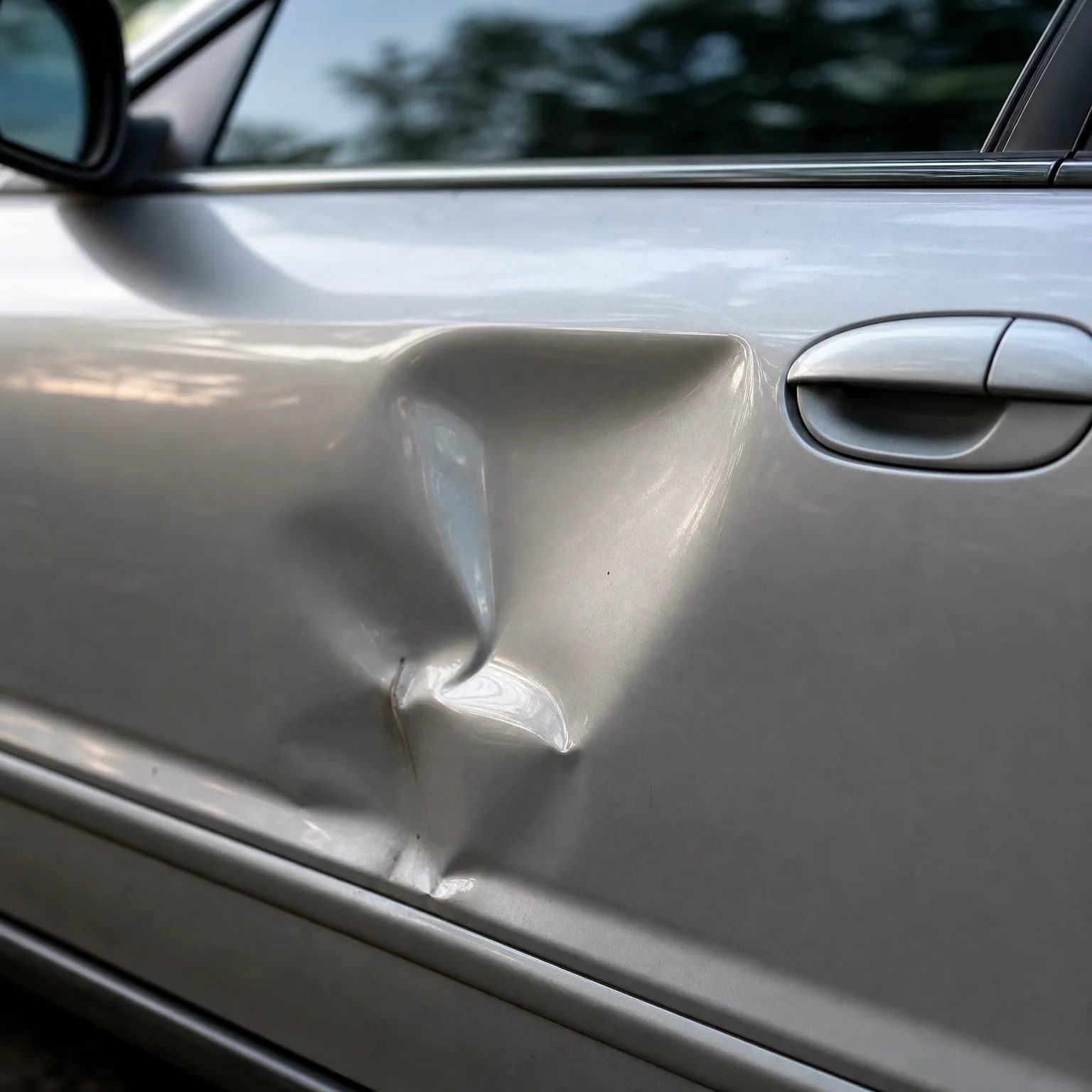
- What was damaged Specifics on your vehicle and anything else affected, plus any injuries. Photos and repair estimates answer this better than a verbal description.
- What you've already done Whether you called police, sought medical care, or got repair quotes. This shows the adjuster how far the claim has already progressed.
- What your policy covers They may ask about your coverage limits or other insurance you hold. Keep your policy declarations page handy so you answer accurately.
Do I have to answer every question the adjuster asks?
No. You have to answer honestly, but you don't have to speculate, guess, or accept blame in the moment. If you don't know something, say so instead of filling in a gap.
This matters most with questions about fault or injury. An adjuster may ask how fast you were going or whether you're hurt, and a casual answer can get written down as a fact. You can say you're still finding out, or that you'll follow up once you have the information.
This applies whether the adjuster works for your insurer or the other driver's. Their job is to gather a record, not to catch you out, but the record they build becomes the basis for the payout. Answer what you know, decline to guess, and ask for the question again in writing if it feels like it's heading somewhere you're not ready to go.

Whether you prepare before the adjuster calls
If you do
You have the police report, photos, and repair estimates in front of you. Your answers match the documentation, the call is short, and the adjuster has what they need to move your claim forward without a second round of questions.
If you don't
You're reconstructing details from memory while on the phone. You guess at a few things to fill gaps, and those guesses get recorded as your statement. Any mismatch later between your words and the evidence becomes something the adjuster has to resolve.
Once you know what the adjuster will ask, compare quotes to see what a smoother claims process looks like.
Why the questions follow this pattern
An adjuster's job is to build a factual record that determines who pays and how much. Every question they ask traces back to one of two things, establishing fault or establishing cost. That's why they ask about the sequence of events before they ask about damage, and why they want independent details like a police report number rather than just your summary.
The questions also protect against disputes that haven't happened yet. If the other driver later changes their account, the adjuster needs your original statement on record, timestamped and specific. This is why they often ask you to repeat details more than once, not because they doubt you, but because consistency across a file is what makes a claim hold up.
How deep the questioning goes depends on what's at stake. A minor claim with clear fault and small damage might be a short call. A claim involving injury, disputed fault, or significant damage brings more questions, sometimes a recorded statement, sometimes a request for medical records. The size and complexity of the claim drives the depth of the interview, not the adjuster's personal approach.
What varies is how formal the process is and what you're entitled to before answering. Some states and insurers allow you to have the conversation in writing instead of on a recorded call, or let you delay a recorded statement until you've consulted someone. Check your policy and your state's rules on recorded statements before a call happens, not during it.

Can I refuse a recorded statement to an adjuster?
Often yes, especially with the other driver's insurer, though your own policy may require cooperation as a condition of coverage. Check your policy's language on cooperation before refusing anyone. If it's the other side's adjuster, you can usually decline the recording and offer a written statement instead, or wait until you've reviewed the police report and your own notes.
What happens if I say the wrong thing to an adjuster?
A misstatement can slow your claim or get used to argue partial fault, but one imprecise answer rarely sinks a claim on its own. If you realize you said something inaccurate, follow up in writing to correct it right away. Adjusters expect some uncertainty immediately after an incident, and a prompt correction carries more weight than staying silent.
Should I give the adjuster a written statement instead of a phone call?
It can work in your favor, since writing lets you check facts before you commit to them, but not every adjuster will offer that option. Ask directly if a written statement is acceptable in place of a recorded call. Whether it's allowed depends on the insurer's process and sometimes your state's rules, so confirm before assuming you can skip the phone call.