When Should You Drop Full Coverage on Your Car
Drop full coverage when the car's value is low enough that the payout wouldn't justify what you're paying for the coverage.
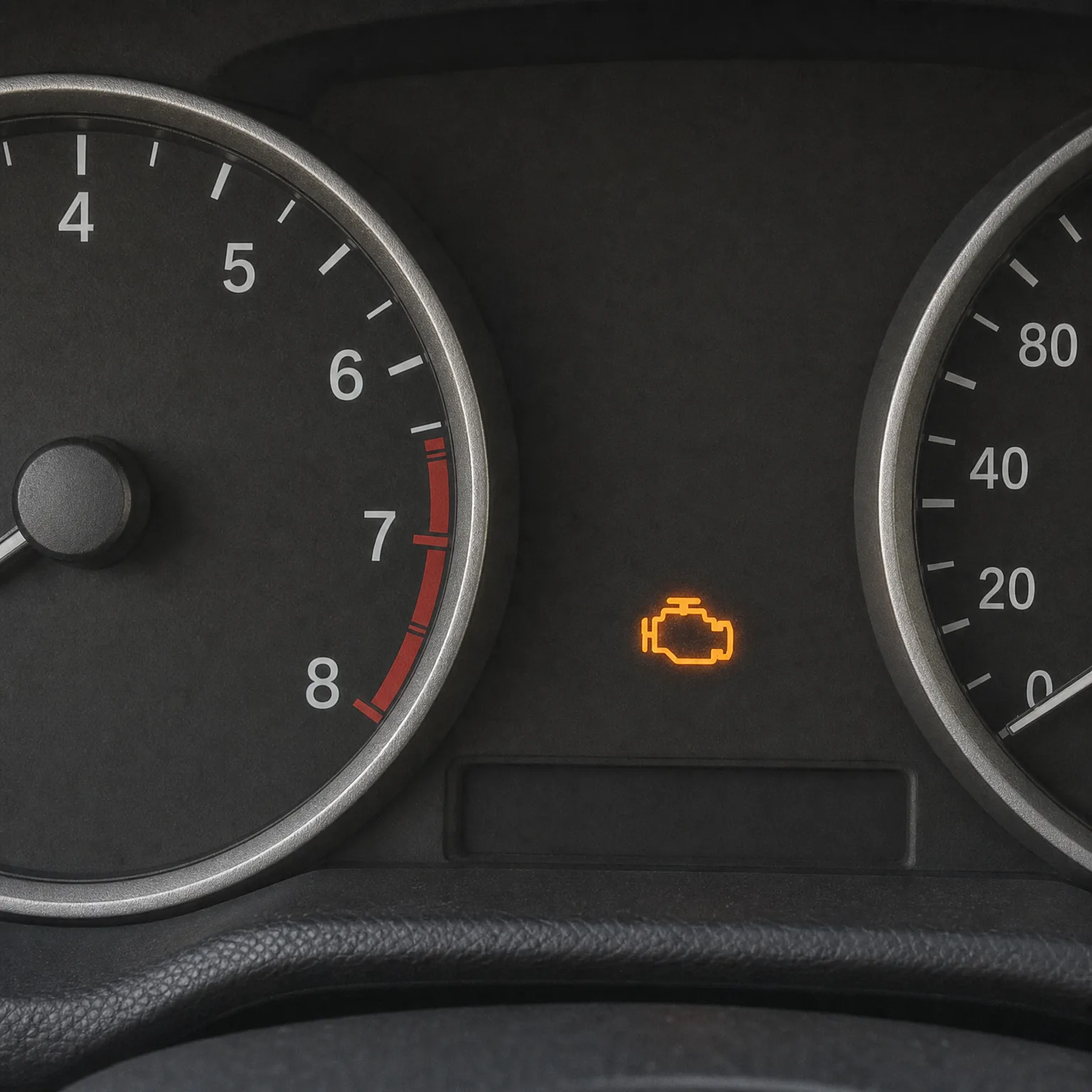
Check these before you drop anything
- What the car is worth Look up what your car would actually sell for today, not what you paid for it. That number is what an insurer would pay out if it were totaled, so it's the one that matters.
- What you'd pay out of pocket If you couldn't cover repairing or replacing the car yourself, full coverage still makes sense even on an older car. Dropping it only works if you could absorb that loss.
- Whether you still owe on it If you have a loan or lease, your lender almost certainly requires full coverage until it's paid off. Check your loan terms before you change anything.
- What the coverage costs you Compare what full coverage costs you against the car's value. If the yearly cost is a large chunk of what the car is worth, that's the sign it's time to drop it.
- How you'd handle a totaled car Think about whether you'd be able to replace the car without an insurance payout. If losing it tomorrow wouldn't be a financial emergency, full coverage is doing less for you.
An old commuter car finally not worth insuring
A reader had a car worth very little that she still drove to work every day. She'd kept full coverage out of habit since she'd always had it, even after the loan was paid off years earlier. When she finally looked up the car's actual value and compared it to what she was paying for comprehensive and collision, the coverage cost a real chunk of what the car was even worth replacing.
She called her insurer and asked what dropping full coverage would save her, then decided whether she could cover a repair or replacement herself if something happened. She could, so she dropped comprehensive and collision and kept liability, which is required regardless of the car's value. She put part of what she saved into a small fund earmarked for car repairs. A few months later a tree branch dented her hood in a storm, and she paid for it herself without blinking, which told her she'd made the right call.

Dropping full coverage versus keeping it
If you do
You stop paying for comprehensive and collision, which lowers your bill right away. If the car is stolen, totaled, or badly damaged, you cover the cost yourself. You still carry liability, which every state requires, so you're not driving uninsured.
If you don't
You keep paying for coverage that may cost more each year than the car itself is worth. If something happens to the car, the insurer pays out based on its current value, not what you've spent insuring it. You're protected, but possibly overpaying for that protection.
Once you know whether full coverage still makes sense for your car, compare quotes to see what dropping it would cost.
Why the car's value decides this, not its age
Full coverage exists to protect against the cost of repairing or replacing your car. Comprehensive and collision only pay out up to the car's actual cash value at the time of a claim, never more. So the real question isn't how old the car is, it's how much an insurer would hand you if it were totaled tomorrow. As a car ages, that number drops, sometimes down to very little, while the coverage can keep costing roughly the same.
That gap is where the math stops making sense. If you're paying a meaningful amount every year for coverage that would only pay out a small amount in return, you're effectively insuring against a loss that's already small. At some point, self insuring, meaning covering that loss yourself if it happens, costs less over time than paying for the policy.
The exception is your own financial cushion. If a totaled car would be a real hardship to replace, keeping full coverage can still make sense even when the math looks lopsided, because you're paying for certainty, not just value. People with loans or leases don't get to choose either way, since lenders require full coverage until the debt is paid off.
This is also personal to your situation, not a fixed rule tied to a car's age or mileage. Two people with identical cars can reasonably make opposite choices depending on their savings, their risk tolerance, and whether they could replace the car without strain.

How do I find out what my car is actually worth?
Look up its current private sale or trade in value using a vehicle valuation tool, not what you paid or owe. Insurers use a similar method to calculate payouts, so this gives you the real number to compare against your coverage cost. Condition, mileage, and local market all affect it, so check a source that accounts for those rather than relying on the sticker price from years ago.
Can I drop full coverage and keep just liability?
Yes, as long as you don't have a loan or lease requiring full coverage. Liability is what's legally required almost everywhere, and it covers damage you cause to others, not your own car. Before switching, confirm your lender doesn't still require full coverage, since dropping it while you owe money on the car could violate your loan agreement.
Will dropping full coverage lower my premium a lot?
It depends on your car, your coverage limits, and your insurer, so there's no fixed amount to expect. Comprehensive and collision are often a large share of a policy's total cost, so dropping them typically makes a noticeable difference. Ask your insurer for a quote with and without full coverage so you can see the real difference for your specific policy before deciding.