
Which Drivers Generally Pay More for Car Insurance
Younger drivers, drivers with recent accidents or violations, and drivers with coverage gaps usually pay the most for car insurance.
Free to compare

What pushes a driver's rate up when a shared policy splits
- Being new to a policy Starting your own policy after years on a shared one can look like less history to an insurer. Ask any new insurer to use your years of continuous coverage, not just your name on a policy.
- A lapse in coverage Any gap between the old policy ending and your new one starting signals risk to insurers. Line up your new policy to start the same day you're off the old one.
- Teen drivers on the policy A teenager still listed raises the cost for whoever keeps them on the policy. Decide early which parent's policy the teen stays on, since switching later can cost more than planning now.
- Recent accidents or violations These follow the driver, not the policy, so they travel with whoever caused them. Expect the quote for that driver to reflect it, regardless of who was the named insured before.
- Fewer discounts than before Multi-car and bundled discounts often disappear once a shared policy splits into two single-driver policies. Ask each insurer what discounts you still qualify for on your own.
Will my rate go up just because I'm no longer on a shared policy?
It might, but not because being single on a policy is inherently expensive. Shared policies often qualify for multi-car and multi-driver discounts that a solo policy can't match, so the loss of those discounts is usually what you're feeling, not a penalty for your driving.
What actually determines your new rate is your own history: your years of continuous coverage, your driving record, the car you're insuring, and where you live. If your record is clean and you avoid a lapse, your increase should reflect lost discounts rather than added risk.
It also depends on your insurer and state, since rules about discount eligibility and how they weigh a recent change in household vary. Ask each insurer directly how they're pricing your new policy and what's driving the number, so you know whether it's the split itself or something you can still change.

Now that you know what shapes your new rate, compare quotes to see what your own record actually costs.
Why some drivers cost more to insure than others
Insurers price a policy around the chance they'll have to pay a claim and how much that claim might cost. Anything that predicts more claims, or costlier ones, raises the price. Age and experience matter because newer drivers statistically have more accidents. A recent accident or violation matters because it's the best available evidence of future risk. These aren't judgments about you personally, they're patterns insurers have measured across many drivers.
When a shared policy splits, you're not being re-judged as a worse driver. You're being quoted as an individual for the first time in years, sometimes decades. The multi-car and multi-driver discounts that lowered your joint rate don't carry over to a single-driver policy, and that alone can make the new number feel like a penalty when it's really just the absence of a discount you used to share.
What varies is how much weight each factor gets, and that depends on the insurer and sometimes the state you live in. Some insurers weigh continuous coverage history heavily, others focus more on your current driving record, and some places limit how much insurers can factor in things like age or how you use the car. Check with insurers directly about how they weigh these factors.
Where this plays out differently is when the teenager, the car, or the driving history isn't evenly split. A teen driver, a performance car, or one spouse's clean record versus the other's recent ticket can tilt the new policies in very different directions, even though the old shared policy treated everyone the same.
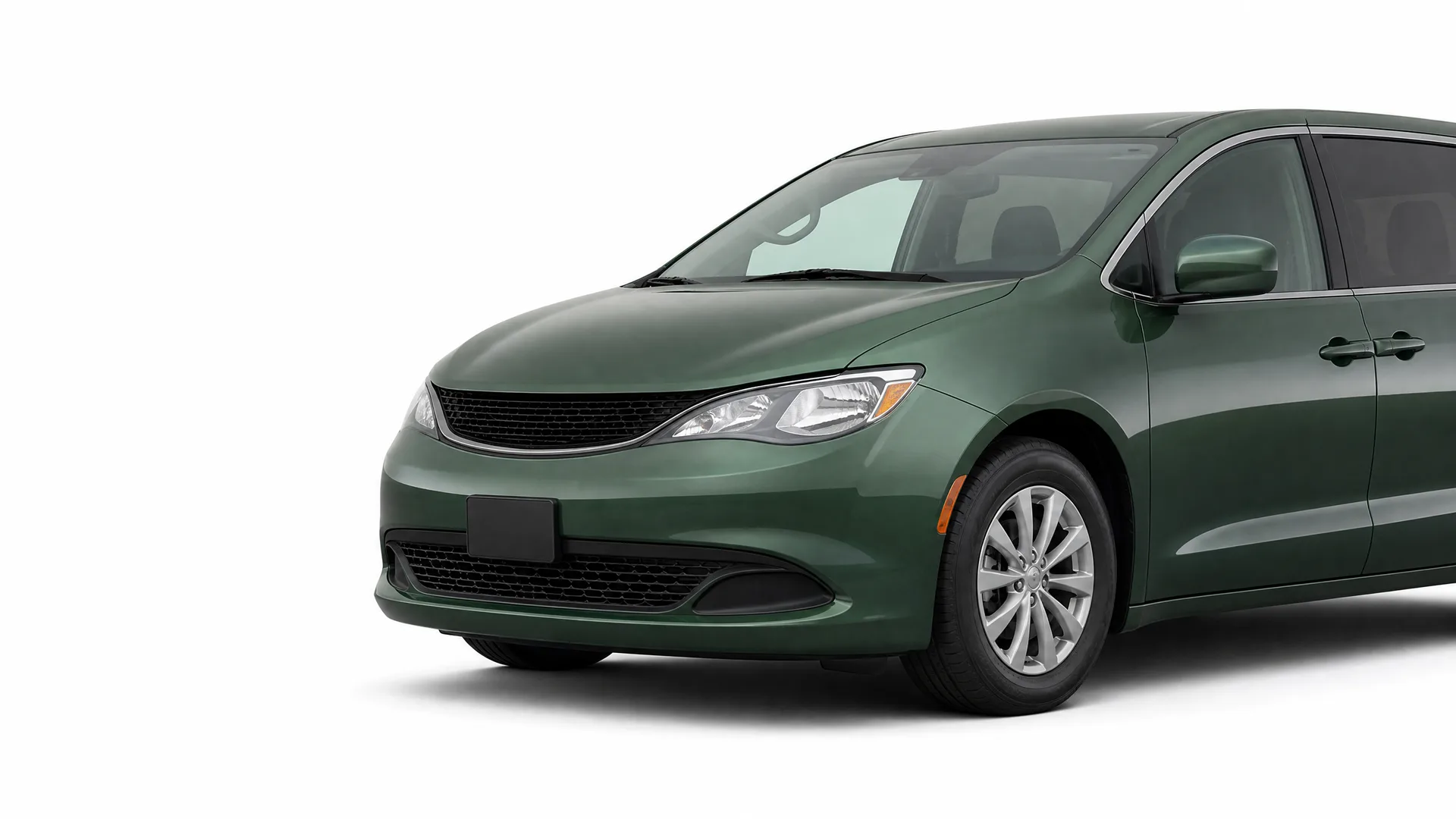
A higher quote after a split usually isn't about you being riskier, it's about discounts you no longer share.
How do I remove my ex from my car insurance policy?
You contact your insurer directly and ask to remove them as a named insured or listed driver, usually once you know who keeps which car. Insurers typically want this done promptly after separation, since leaving an ex on a policy for a car they no longer drive can affect your coverage if they're in an accident. Check whether your state or insurer requires proof of the car's new sole owner before the change is final.
Who should be the named insured if we're splitting two cars?
Whoever primarily drives and legally owns each car should typically be its named insured. If one spouse keeps the sedan and the other keeps the SUV, each becomes the named insured on the policy covering their own vehicle. Check your state's title and registration rules, since the name on the title can affect who can be named insured on that car's policy.
Can I stay on my ex's policy temporarily until we sort out the cars?
Yes, many couples stay on one policy for a short transition period while finalizing who keeps which car. This avoids a lapse but means both of you remain responsible for premiums and claims on that policy. Set a clear date to split, confirm it with the insurer in writing, and check that both of your new policies are ready to start the same day the shared one ends.