Do I Need Comprehensive and Collision on an Old Car
If the car's value is low and you could cover repairs yourself, you likely don't need comprehensive and collision on it.
Free to compare
The math is about the payout, not the car's age
Comprehensive and collision only ever pay out up to the car's actual cash value, minus your deductible. Once that value drops low enough, the most the insurer would ever hand you in a claim gets close to what you'd pay in premiums over a few years just to carry the coverage. At that point the coverage is costing you to protect an amount that's shrinking every year.
This is also a decision you're free to make on your own car even while a shared policy is still being split. If you're about to be the only name on a policy, or you're setting up a new one for yourself, you don't need your ex's agreement to drop comprehensive and collision on a car that's titled to you. Lenders are the exception. If there's still a loan or lease on the car, the lender requires both coverages regardless of the car's age, and that requirement doesn't change just because the household is splitting.
The other factor is whether you could absorb a total loss without the payout. If losing the car to theft or a crash tomorrow wouldn't be a financial setback you could handle, that's the real argument for keeping the coverage, not the car's age by itself. Some people keep it a year or two longer during a separation simply because their finances are in flux and they want fewer surprises.
State rules don't require comprehensive or collision anywhere, only liability, so this is entirely your call once there's no loan. Insurers vary in how they calculate a car's value, so if you're on the fence, ask yours what they'd actually pay out before you decide.

What to check before you drop the coverage
- Confirm there's no loan If the car is still financed or leased, the lender requires this coverage no matter its age. Check the title and any loan payoff statement before changing anything.
- Get the car's actual value Ask your insurer or a valuation site what the car would pay out today. Compare that number to roughly a year or two of premium for the coverage.
- This is separate from the split Dropping comprehensive and collision is your choice alone once the car is titled to you. It doesn't need to wait on who's leaving the shared policy.
- Keep liability regardless Liability coverage stays required everywhere and has nothing to do with the car's value. This decision only affects comprehensive and collision.
- You can revisit this later If you later can't afford a surprise repair or replacement, you can add the coverage back. It's not a one-time, permanent decision.
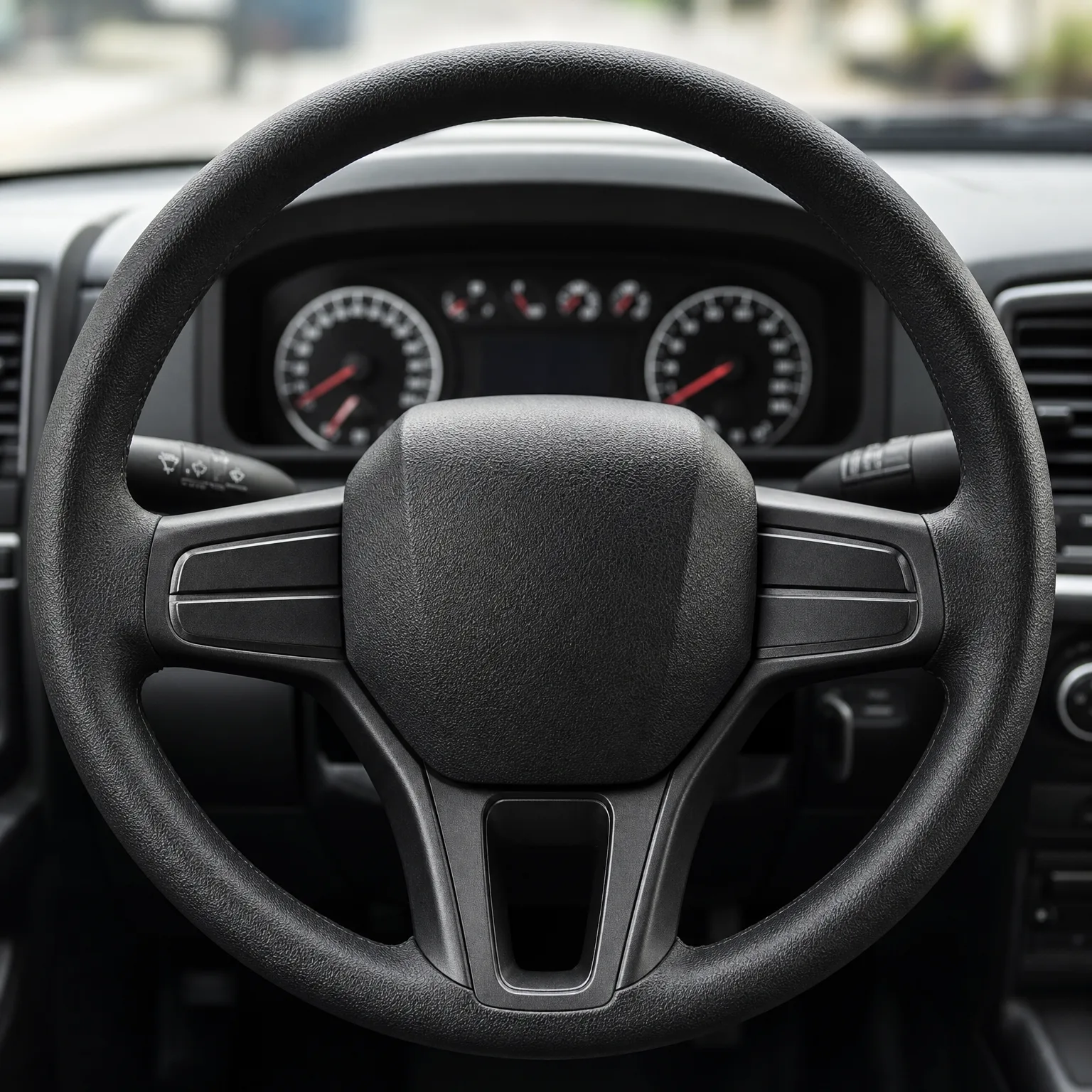
A nine-year-old sedan going to one name after the split
A reader kept the older of two cars after she and her husband separated, a sedan worth a modest amount with no loan left on it. She'd been paying for comprehensive and collision on it for years as part of their joint policy without ever really looking at whether it made sense. When she set up her own policy, she asked the insurer what the car would actually pay out in a total loss claim.
The number came back lower than she expected, close to what she'd pay in premiums for that coverage over the next couple of years. She dropped comprehensive and collision, kept liability, and put the savings toward a small repair fund of her own instead. A few months later a hailstorm left dents across the hood. She paid for the cosmetic repair herself, out of that fund, and was glad she hadn't been paying for coverage that would have barely covered it anyway.
Now that you know what this car needs, compare quotes to see what a policy without that coverage actually costs.

Will dropping comprehensive and collision lower my rate a lot?
It will lower your rate, since you're removing two coverages entirely, but how much depends on the car and your insurer. Ask for a side by side quote with and without the coverage so you see the real difference instead of guessing. The older and less valuable the car, the smaller that difference tends to be relative to what the coverage would've paid out.
What happens to my discounts if I drop coverage on one car?
Discounts tied to carrying full coverage on a car can shrink or disappear when you drop comprehensive and collision on it, even if other discounts stay. Ask your insurer specifically which discounts are tied to this car's coverage level before you change it. If the discount loss is large, weigh it against the premium savings before deciding.
Can I drop full coverage on a car my ex still drives?
Only if that car is titled in your name and you're the one deciding its coverage. If your ex is still listed as a driver or the car is jointly titled, talk to them first, since a claim on that car involves both of you. Once ownership and the policy are untangled, the decision belongs to whoever holds the title.

The car's age isn't the question. What matters is whether the payout still beats what you pay to protect it.