Should I Keep Full Coverage on My Old Car
Keep full coverage only if the car's value still outweighs what you'd pay for that coverage over the year ahead.
Free to compare
The math changes as the car's value drops, not your loyalty to the car
Full coverage exists to protect the car's value, not the car itself. Once a car is worth less, there's less value to protect, and at some point the yearly cost of comprehensive and collision coverage gets close to what the car could even pay out if it were totaled. That's the moment to question keeping it, not a fixed age or mileage mark.
The way to check is simple. Find out what your car would actually sell for right now, not what you paid for it or what you think it's worth. Then look at what you're paying specifically for comprehensive and collision, separate from liability. If the yearly cost for those two is a large chunk of the car's value, you're paying a lot to protect not very much.
There are cases where it still makes sense to keep full coverage even on an older car. If you still owe money on a loan or lease, your lender probably requires it, and you don't get to choose. If you couldn't easily afford to replace the car out of pocket if it were stolen or wrecked, that protection might be worth the cost even if the math looks thin. And if you live somewhere with heavy weather risk, theft rates, or deer strikes, comprehensive alone, which is usually the cheaper half, might still be worth keeping even if you drop collision.
What counts as 'worth it' varies by insurer and by your own finances, so don't treat any rule of thumb as universal. Pull your own numbers before deciding.
The short version
Keep full coverage only while the car's value still justifies the premium. Compare what comprehensive and collision actually cost you against what the car is worth today. If the gap is small or the cost outweighs the value, drop to liability and put the difference toward savings or a newer car.
What happens if I drop full coverage and then total the car?
If you've dropped comprehensive and collision and keep only liability, your insurer won't pay to repair or replace your own car if you cause an accident, hit an object, or it's damaged by weather, theft, or vandalism. Liability only covers damage and injuries you cause to others.
This is exactly the tradeoff you're weighing. You're betting the money saved on premiums, over time, outweighs the risk of paying out of pocket for your own car in a bad year. If you could absorb that cost without real hardship, the bet usually favors dropping coverage once the car's value is low enough. If you couldn't, that's a sign to keep the coverage a while longer regardless of what the math says.
Once you know whether this car still needs full coverage, compare quotes with that answer already decided.
Dropping comprehensive and collision on this car
If you do
Your premium drops right away since you're only paying for liability. If the car is stolen, wrecked, or damaged by weather, you cover repair or replacement yourself. Set aside what you saved so you're not caught without options if something happens.
If you don't
You keep paying for comprehensive and collision even as the car's value keeps falling. If something happens to the car, you're covered up to its value minus your deductible. You're paying to protect an amount that shrinks every year, so revisit this decision at least once a year.
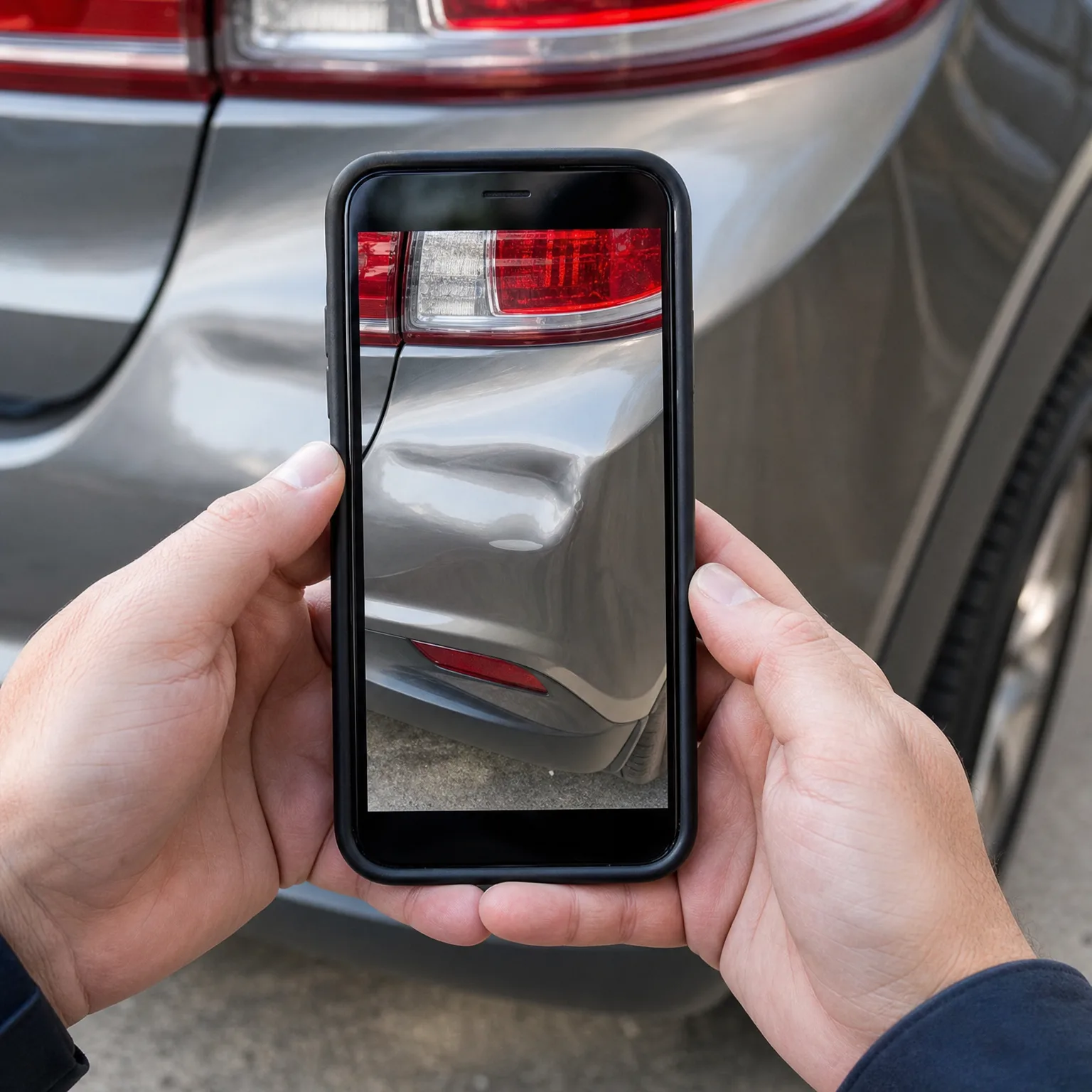
What actually decides whether to keep full coverage
- Current market value Look up what the car would sell for today, not its original price. This number is the actual ceiling on what any payout could be.
- Your deductible size A high deductible means a smaller real payout if something happens. Compare that payout against what you're paying in premium to get it.
- Loan or lease status If you still owe on the car, your lender likely requires full coverage regardless of your own preference. Check your loan terms before changing anything.
- Your own financial cushion If replacing the car out of pocket would be a real hardship, that's a reason to keep coverage even if the math looks close. Weigh comfort, not just numbers.
- Where you live and park Areas with more theft, flooding, hail, or deer strikes raise the odds comprehensive pays off. Check how your insurer rates your specific location.
The real question isn't the car's age, it's whether its value still outweighs the cost of protecting it.