Do Umbrella Policies Cover Lawsuits From Car Accidents
Yes, an umbrella policy pays for car accident lawsuits that go beyond what your auto insurance covers.
Free to compare
It's extra liability coverage sitting on top of your auto policy
An umbrella policy doesn't replace your car insurance, it extends it. Your auto liability coverage pays first, up to its limit. Once that limit is used up by a judgment or settlement, the umbrella policy picks up the rest, up to its own limit. This matters because a serious accident, one with injuries or a death, can produce a claim far larger than typical auto liability limits.
The umbrella only works if your underlying auto policy meets the insurer's required minimum liability limits. Insurers set this requirement because the umbrella is designed to sit above a certain layer of coverage, not to fill in a gap you left in your base policy. If your auto limits are too low, the umbrella company can refuse to pay or require you to raise your auto coverage first.
What counts as a covered claim can vary. Most umbrella policies cover bodily injury and property damage lawsuits from accidents where you're found at fault, including claims for things like lost income or pain and suffering that go beyond what auto insurance alone would pay. Some policies exclude certain vehicles, like those used for business or ridesharing, unless you tell the insurer. Check your policy's definition of covered autos and any exclusions before you assume a situation is covered.
State rules and insurer requirements both shape the details, so what's required and what's excluded isn't identical everywhere. Ask your agent to confirm your state's requirements and your specific policy's terms, especially the minimum auto limits you must carry and which vehicles and drivers in your household are covered.

What to check before you count on umbrella coverage
- Underlying limits requirement Your umbrella only activates after your auto policy meets a minimum liability limit set by the insurer. Confirm your auto limits meet that requirement now, not after an accident.
- Covered drivers and vehicles Umbrella policies usually cover household members and personal vehicles, not business use or unlisted drivers. Tell your insurer about every driver and vehicle in your home.
- Claim types included Most umbrella policies cover bodily injury and property damage lawsuits, including pain and suffering awards beyond auto limits. Ask specifically about lawsuits involving guest passengers or pedestrians.
- Coordination with auto insurer The umbrella insurer and auto insurer need matching information to avoid disputes over who pays what. Keep both policies with limits and vehicle lists that agree with each other.
- Renewal and limit review Life changes like a new car or a teenage driver can push your risk above old umbrella limits. Review your umbrella limit and underlying auto limits every renewal, not just when something changes.
The umbrella only protects you if the auto policy underneath it is strong enough to trigger it.
Compare auto insurance quotes that meet your umbrella's required limits, so your extra coverage actually works.

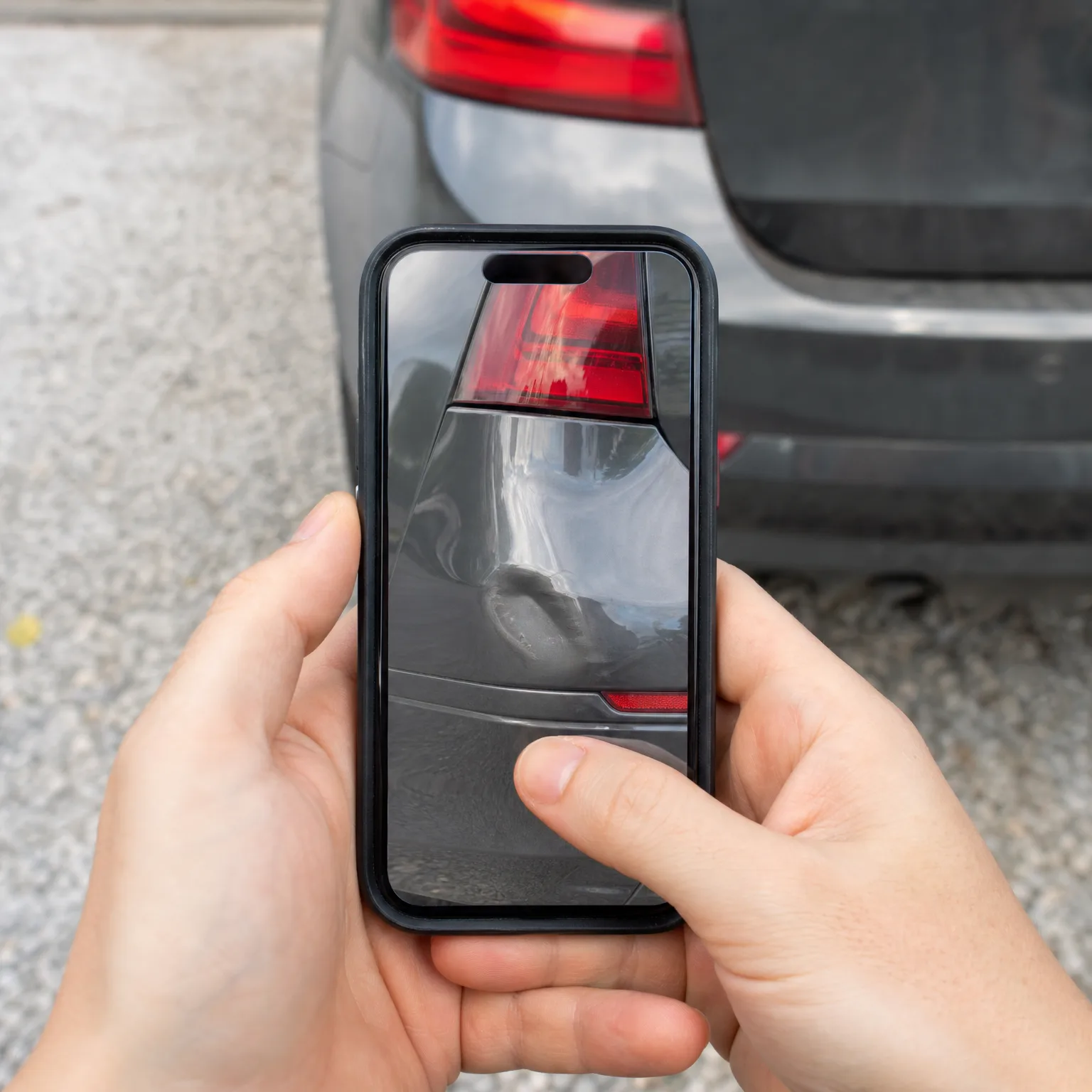
A rear-end accident that became a six-figure claim
A driver in his forties rear-ended another car at a highway on-ramp. The other driver suffered a spinal injury that required surgery and months of rehabilitation. The injured driver sued for medical costs, lost wages, and pain and suffering, and the total claim exceeded the at-fault driver's auto liability limit by a wide margin.
Because he carried an umbrella policy with liability limits well above his auto policy's minimum requirement, the umbrella insurer stepped in once the auto limit was exhausted. His auto insurer handled the claim up to its limit, then transferred the remaining judgment to the umbrella insurer, which paid the rest. He kept his auto policy at the minimum limit the umbrella required, reviewed it every renewal, and avoided paying personally out of savings or future wages for a single accident.

How much umbrella coverage do I actually need for car accidents?
There's no universal number, because it depends on your assets, your income, and how much you'd have at risk in a lawsuit that exceeds your auto limits. People with significant savings, home equity, or future earnings to protect typically choose higher umbrella limits, since a judgment can pursue those assets once insurance runs out.
Talk to your agent about your net worth and a reasonable cushion above it, not just the state minimum or the bare amount required to qualify for the umbrella. Also ask how umbrella limits interact with your auto limits, since raising your umbrella sometimes requires raising your underlying auto coverage too. Revisit this figure as your assets or driving risk change, like when a teenager starts driving.