How Do Car Insurance Claim Payouts Work
The insurer pays to settle the value of your loss, minus your deductible, once it decides who's at fault and what the damage is worth.
Free to compare
The payout follows value, fault, and your coverage limits
A claim payout is the insurer's estimate of what your loss is worth, not a fixed price list. For a totaled car, that means the cash value right before the crash. For repairs, it means what a shop would reasonably charge, which is why insurers often negotiate the estimate before agreeing to pay it.
Fault decides who pays first. If the other driver is at fault, their liability coverage pays you, but it only pays up to their policy limits, and only after their insurer agrees they were at fault. If you're at fault, or fault is unclear, your own collision coverage can pay instead, if you carry it, but then your deductible comes out of the payout first.
Your policy's limits set the ceiling no matter who caused the accident. If repairs or medical costs run higher than your limits, or the other driver's limits, that gap doesn't disappear. It becomes something you or they owe directly, which is part of why the size of your coverage matters as much as the fact that you have it.
Timing and process vary by insurer and by state. Some states require payout within a set window once a claim is approved, others don't specify one. Some states also change how fault is calculated when both drivers share blame, which can shrink the payout proportionally. Check your state's rule on this and read how your specific policy defines actual cash value, since insurers don't all calculate it the same way.
What actually decides the size of your payout
- Fault determination The insurer has to decide who caused the accident before paying anything. This can take time, so ask early who's handling it and what evidence they're using.
- Actual cash value Totaled cars get paid at what they were worth right before the crash, not what you paid for them. Ask for the valuation report and dispute it if it looks low.
- Your deductible If your own collision or comprehensive coverage pays, your deductible is subtracted first. Know your deductible amount before a claim, not after.
- Policy limits Payouts can't exceed the limits on the policy that's paying, whether it's yours or the other driver's. Check your limits now, not when you're already filing.
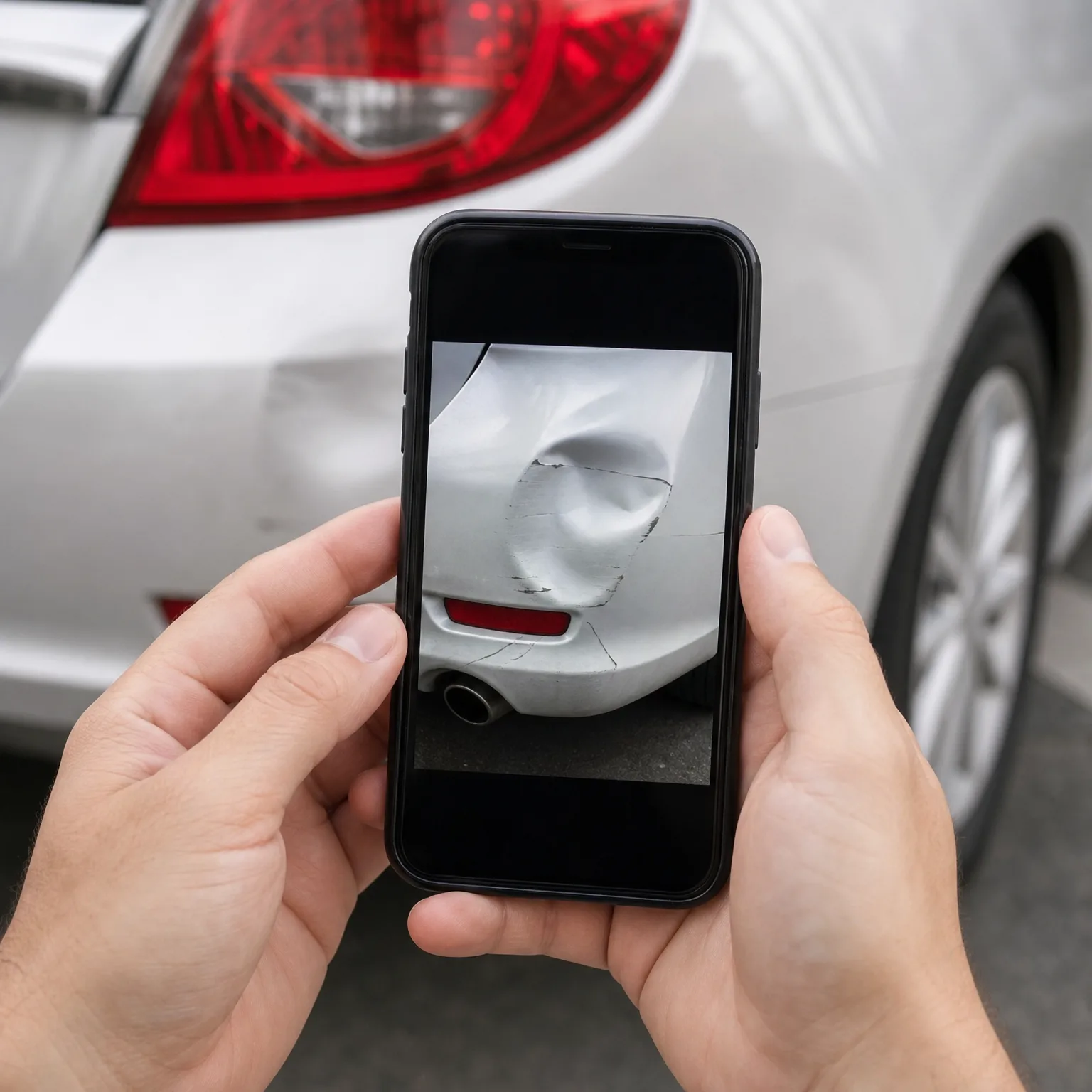
- Repair estimates Insurers often work from their own estimate, which may be lower than a shop's quote. Get your own estimate and use it to negotiate if the numbers don't match.

Should you get a second repair estimate before accepting the payout
If you do
You get your own shop's number to compare against the insurer's estimate. If there's a gap, you have something concrete to negotiate with, and insurers often adjust once they see a real quote from a shop that will stand behind its own work.
If you don't
You accept whatever the insurer's adjuster calculated, which may be based on lower-cost parts or labor rates than your shop actually charges. If repairs end up costing more, you're the one covering the difference, not the insurer.
You know how payouts work now, so compare quotes to see how limits and deductibles change what you'd collect.

What if the payout isn't enough to cover the damage?
You can negotiate it. A payout offer isn't final the moment it's made, it's the insurer's opening position based on their own estimate. If you have a repair shop quote, a different valuation for your car, or evidence the insurer missed something, you can submit it and ask them to reconsider.
If that doesn't move the number, most policies let you invoke an appraisal process, where an independent appraiser reviews the disagreement. Some states also let you file a complaint with the state insurance regulator if you think the insurer is acting in bad faith. What you can't do is force a payout above the policy's limits. If the damage genuinely exceeds what any applicable policy covers, that remaining gap is yours or the other driver's to cover directly, which is worth knowing before you're in that position.
The payout isn't a fixed number waiting to be revealed. It's a negotiation you can actually influence.