Is It Illegal to Keep Car Insurance Claim Money
It depends on what the payout was for, who else has a legal interest in the car, and whether your policy or loan requires repairs.
Free to compare
It comes down to who has a legal claim on that money
Insurance money isn't automatically yours to spend however you like, even though the check has your name on it. What matters is what the payment was compensating you for. If it's reimbursement for a rental car, lost wages, or medical bills you already paid, that money is yours free and clear once it lands. There's no obligation attached.
Repair money is different. If the payout is meant to fix physical damage to the car, and you don't own the car outright, your lender or lienholder likely has a legal interest in seeing it actually repaired. Most loan and lease agreements require you to keep the car in good condition, and that requirement doesn't disappear just because the insurance company cut a check instead of a repair shop. Keeping the money and not fixing the car can violate your loan contract, even if no one calls it a crime.
The other variable is whether you still have full coverage or liability-only. If you dropped comprehensive or collision coverage, or if you're driving the car with visible damage, you could run into trouble with your insurer later, or with state inspection rules, depending on where you live. Check your loan agreement and your state's vehicle inspection requirements before deciding not to repair.
There are legitimate reasons to pocket the difference. If repairs cost less than estimated, or you choose a cheaper shop, keeping the leftover is usually fine as long as the car is safely roadworthy and your lender isn't owed anything more. The line isn't about legality in most everyday cases. It's about contracts, not criminal law.

The short version
Keeping claim money usually isn't illegal, but it can breach your loan agreement if a lienholder expects the car repaired. If you own the car outright and it's safe to drive, extra money is typically yours. Check your loan terms and your state's inspection rules before deciding not to fix anything.
A fender bender payout that didn't quite cover repairs
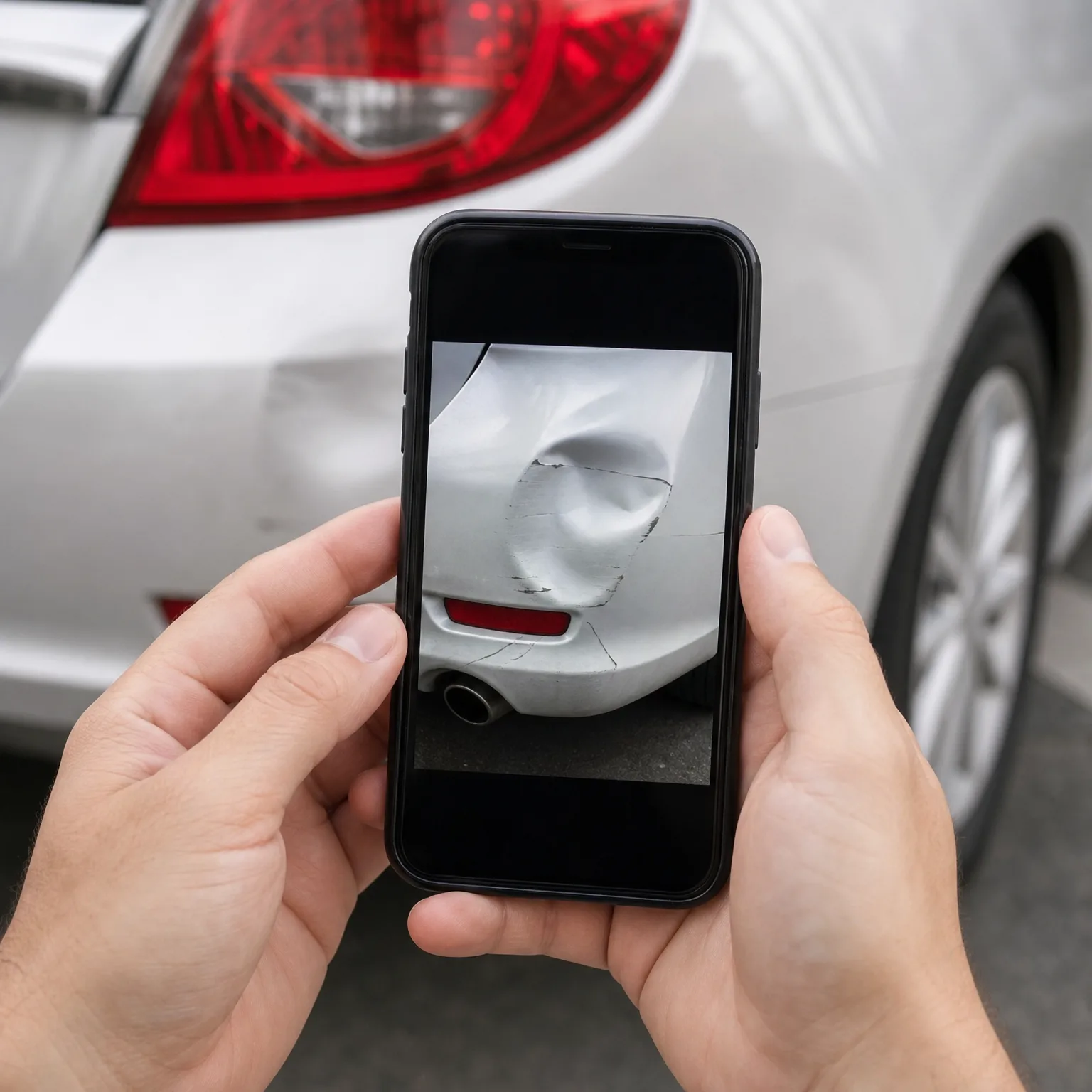
Someone backed into a driver's car in a parking lot and the insurance company estimated the damage at a certain amount, issuing a check for that sum. The driver still owed money on an auto loan. Rather than repair the dented panel, they considered keeping the check and driving the car as is, since it was purely cosmetic and still ran fine.
Before deciding, they checked their loan agreement and found language requiring the vehicle be kept in good repair. They called the lender, who said as long as the damage didn't affect safety or value significantly, it wasn't a problem right now, but it could matter at trade-in or if the loan was sold to another servicer. They chose a middle path, getting a lower-cost independent repair and keeping the leftover difference, which satisfied both the lender's expectations and their own budget.
Once you know what you can do with claim money, compare quotes to make sure your coverage still fits your situation.

Whether you repair the car with that money
If you do
You keep the car in condition that satisfies your lender, your insurer, and any state inspection requirement. If a future claim or inspection reveals old damage, you won't face questions about where the money went. Trade-in value stays intact, and you avoid conflict with a lienholder who expects the car maintained under your loan contract.
If you don't
You risk violating your loan agreement if a lienholder exists, even without committing any crime. The damage may worsen, fail an inspection, or reduce trade-in value later. If you're financed, the lender could technically call this a default, though in practice it usually only surfaces at refinancing, trade-in, or if the loan changes hands.
Can my insurance company make me pay back claim money later?
Yes, if they determine the claim was paid in error, based on fraud, or on incorrect information you provided. This is called recoupment. It's more common when an investigation afterward reveals undisclosed damage, a miscalculated total loss, or a policy that didn't actually cover the incident. Check your claim paperwork for any language about this, and if you're asked to repay money, ask for a written explanation of why before sending anything back.
What happens if I total my car and still owe more than the payout?
You're responsible for the difference unless you have gap insurance covering it. The insurance company pays the car's value, not your loan balance, and those two numbers often diverge, especially early in a loan. Check your loan documents for whether gap coverage was included or purchased separately. If it wasn't, you'll owe the remaining balance directly to your lender even after the insurance settlement is paid out.
Can I use car insurance claim money for something other than repairs?
Often yes, if you own the car outright and it remains safe and legal to drive. Insurers typically don't track how you spend a claim check once issued, unless your policy or state requires an inspection before payout. The real constraint is any lienholder's requirement to maintain the vehicle. Check your loan terms, and consider your state's safety inspection rules if your car has visible or structural damage before deciding not to use the money for repairs.
The real question isn't legality. It's whether your lender has a say in your car's condition.