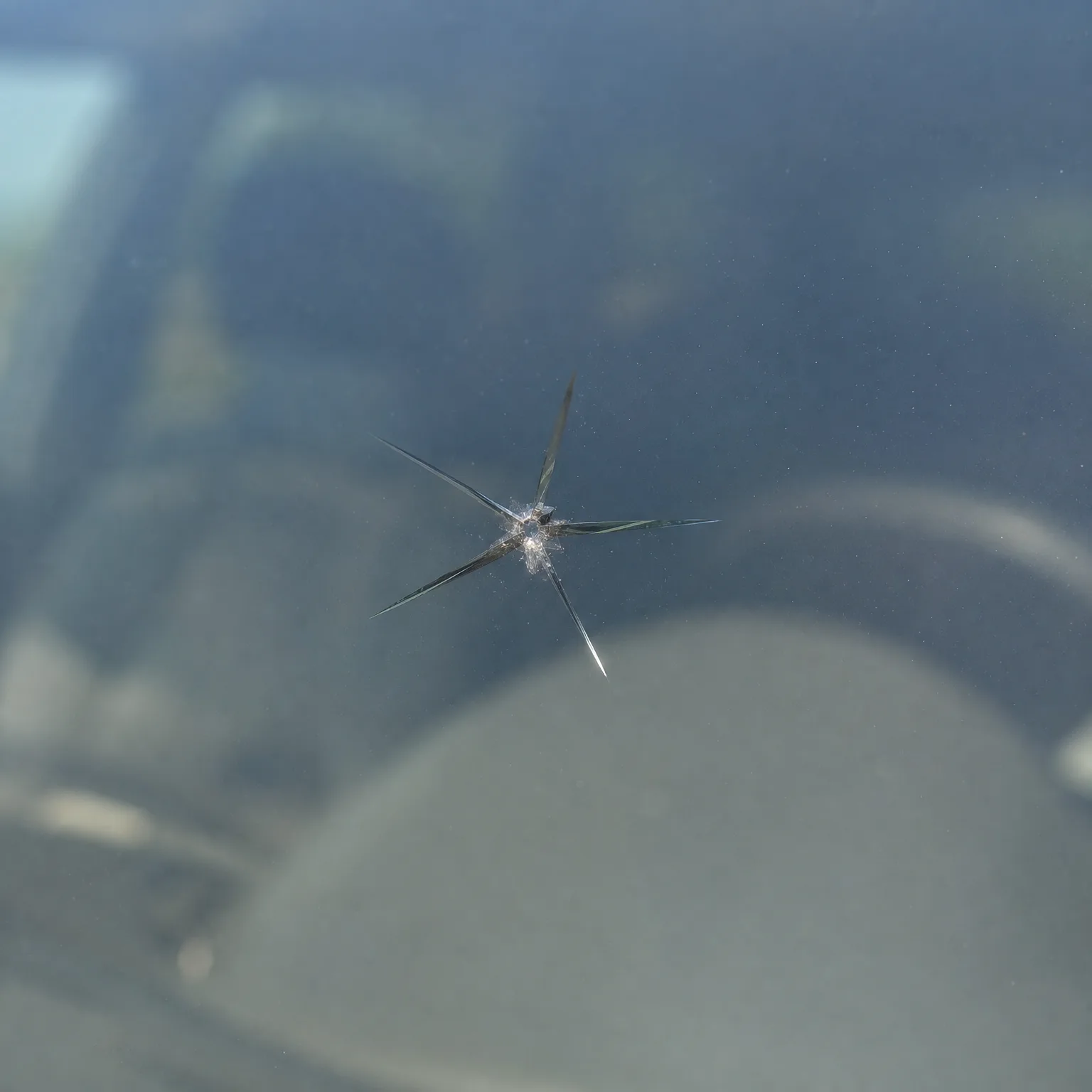
What Happens if You Do Not Have Insurance on a Financed Car
If a financed car loses coverage, the lender can force-place expensive insurance and your loan can end up in default.
Free to compare
Why the lender cares as much as the state does
Your loan agreement almost certainly requires continuous insurance on the car, separate from any state minimum law. The lender has a financial stake in that vehicle until it's paid off, so most loan contracts give them the right to monitor coverage and act if it lapses. This is true everywhere, even though the exact wording and timeline varies by lender, so check your loan documents or call the lienholder directly.
When a lender sees a gap, many use a system that flags it automatically, often within weeks. If coverage isn't restored, they can add a force-placed policy to your loan balance. This insurance is typically more expensive than anything you'd buy yourself, and it usually only protects the car, not you or anyone else on the road.
During a separation, the risk is that the named insured on the old joint policy drops off, or the whole policy gets cancelled, while nobody has arranged a new one for that specific car yet. If your name is on the title and the loan, you're responsible for keeping coverage in place even if your ex is the one driving it day to day.
The exception is when a separation agreement or court order temporarily assigns insurance responsibility to one person. That document matters to you and your ex, but it doesn't change what the lender expects to see on its end, which is an active policy with them listed as lienholder.
The short version
If a financed car goes without insurance, the lender can add its own costly policy to your loan or call the loan due, no matter who was supposed to be driving it. Check your loan terms now and get a new policy in place for that car before the old joint one changes.

What to line up before the policy splits
- Confirm the lienholder Find out which lender is on the title and what their policy says about coverage. This tells you who actually notices if insurance lapses.
- Name the right insured Decide whose name goes on the new policy for that car, matching whoever is keeping it. This protects the discount history and keeps the title and policy consistent.
- Time the switch carefully Start new coverage before the joint policy ends or anyone is removed from it. A same-day or overlapping start avoids any gap at all.
- Update the lienholder record Give your new insurer the lender's name and loan details so they're listed correctly. This keeps the lender from flagging the account even if coverage is active.
- Check teen driver coverage If a teenager drives this car, confirm which parent's policy lists them going forward. Gaps here can affect both discounts and claims if something happens.
Once you know which policy covers this car and when it starts, compare quotes to lock in coverage without a gap.
What if my ex is still driving a car that's on my policy?
This is common right after a separation, especially before titles or agreements are finalized. If your name is the named insured and your ex is a regular driver, you're still financially exposed if they're in an accident, even if you never drive that car yourself.
The safer move is to list them as an excluded driver once they're no longer supposed to use it, or to move that car to its own policy in their name if that matches your agreement. Until that's done, call your insurer and explain the situation directly. Most will walk you through options that match where you actually are in the separation, rather than assuming the most common arrangement applies to you.
Can I remove my ex from my car insurance before the divorce is final?
Usually yes, if you're the named insured and the car is titled to you. Insurers generally let you remove a driver anytime, separate from any divorce timeline. Check your policy and the car's title together, since the insurer may ask for title confirmation before dropping someone who co-owns the vehicle. A separation agreement can also specify timing, so check that first if one already exists.
Will splitting an insurance policy during divorce raise my rate?
Often, because joint policies can include discounts tied to multiple cars, drivers, or years of continuous coverage that don't carry over cleanly. Check with your insurer about which discounts follow you individually versus which were tied to the shared policy. The answer changes a lot depending on your driving record and how long the joint policy existed.
What happens to car insurance if the divorce agreement says my ex pays but they don't?
The policy can still cancel or lapse even if your agreement says otherwise, because insurers only answer to who's listed on the policy, not the court order. Check who the named insured is right now, since that person is responsible to the insurer regardless of what the agreement says. If this is a risk, consider separate policies rather than relying on payment promises.